


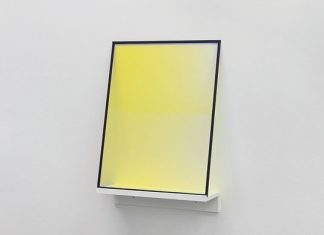
Stephen Dean, the color as a connection of the look
The Franco-American artist works dicroic glass with saturation, reflexivity and transparency.
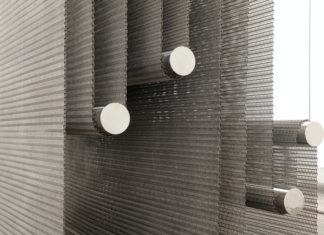
Art Basel Miami Beach shows large scale works
Magalí Arriola is the curator responsible for Meridians sector, which will host large-scale installations, videos and performances.
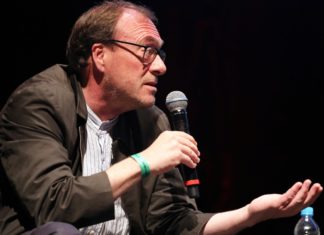
Working with memory is working with present
Portuguese curator João Fernandes, new artistic director of the Moreira Salles Institute – ims, wants to work with the institution’s collections to reflect the current times
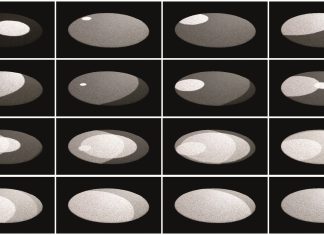
A garden of codes
The duo Detanico Lain presents its second individual in an institution in Brazil and show its relation with the language
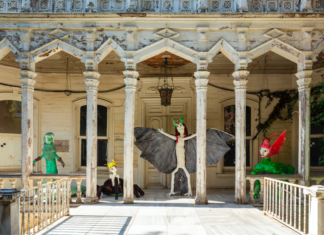
Istanbul aims to collapse of nature
Curated by Nicolas Bourriaud, “The seventh continent” maps productions around the Anthropoceno

IMS attests affection and defense of the yanomami
Claudia Andujar’s second show at the institution brings her commitment to the indigenous cause in exemplary research
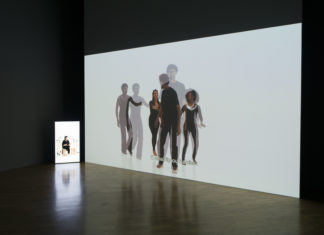
I am reflected in my work
Grada Kilomba assumes personal positioning as a way of counteracting colonialist culture; Portuguese artist launches book and participates in exhibitions at Pinacoteca
A triennial in progress
In the midst of a pandemic and political crisis context, what are the curatorial and exhibition possibilities? This was one of the questions that...
What happens when we unmake the world?
Works by Peter van Agtmael, Steve McQueen and Emily Jacir reflect on conflict and preclude our oblivion of war’s cruel consequences

ArtRio in movement
With the departure of two partners, the fair is only captained by Brenda Valansi and makes Marina da Gloria its home