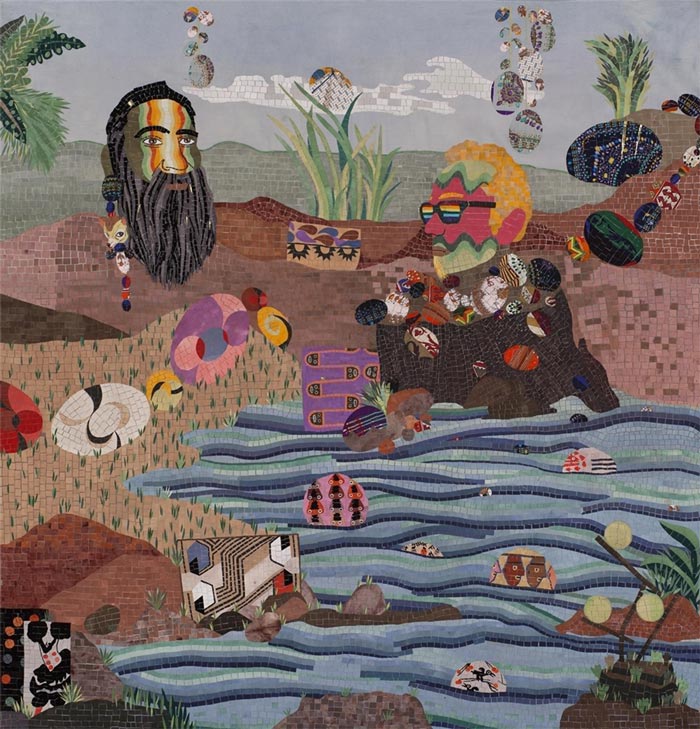
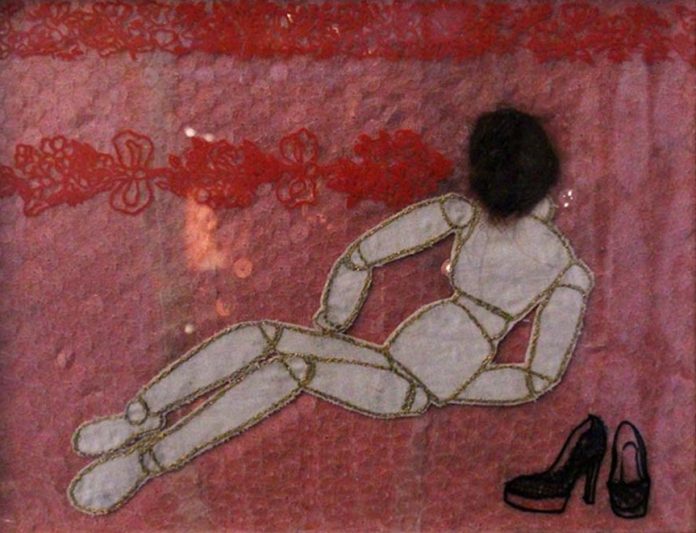
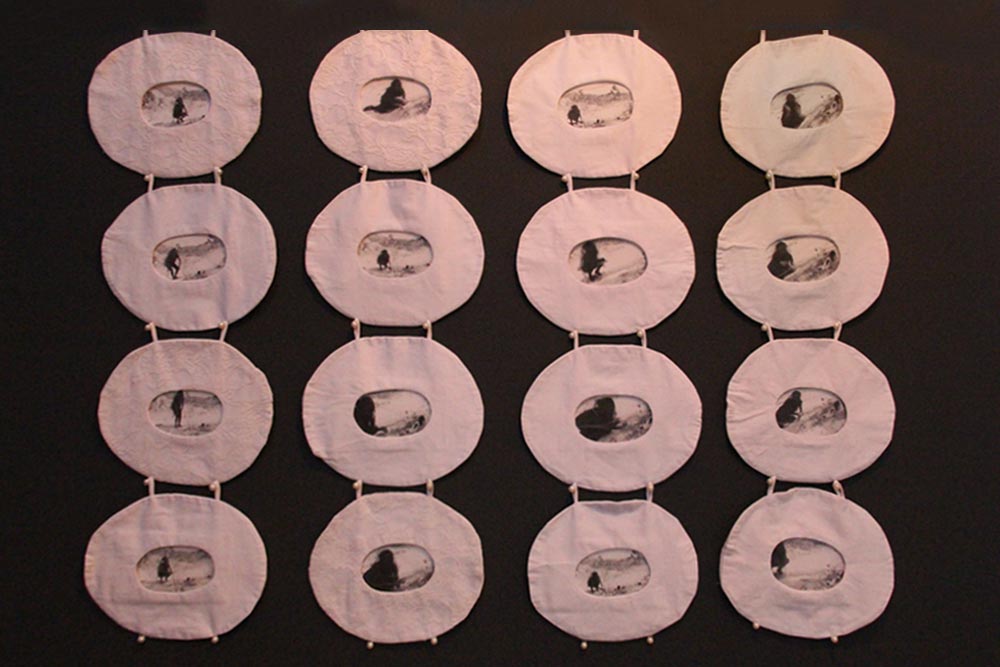
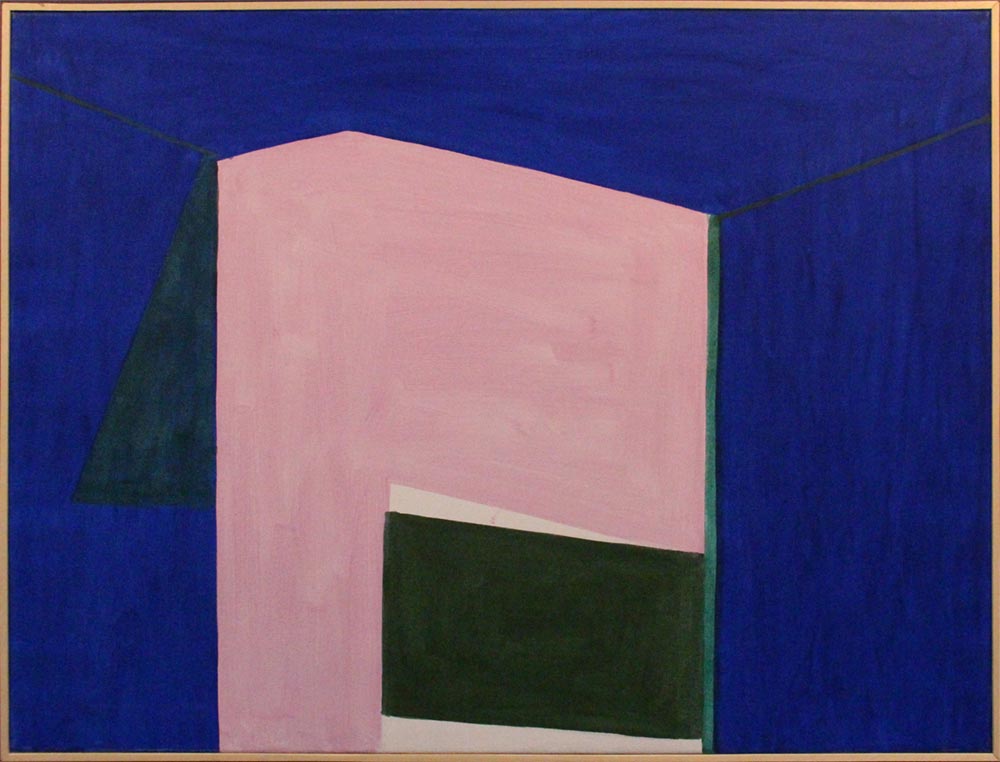
A exposição A Burrice dos Homens, na galeria Bergamin & Gomide, propõe uma reflexão aberta sobre o uso da sátira e dos estereótipos, como pontos de partida para observações críticas acerca de dinâmicas sociais arraigadas que precisam ser reavaliadas. Ela parte de uma série de conversas da curadora Fernanda Brenner, diretora do espaço Pivô, com o artista Tiago Carneiro da Cunha, O título da exposição é inspirado pela obra A Burrice dos Homens, do paulista José Antônio da Silva.
Para Fernanda, em texto de apresentação, a exposição sugere “uma procura compartilhada por artistas de diferentes gerações que (…) optam por habitar a tênue linha entre o cômico, o trágico, o melancólico e o sedutor quando se propõem a representar e a discutir criticamente os códigos visuais que constituem uma ideia de identidade cultural brasileira ou, mais amplamente, da região que se convencionou chamar de América Latina no mundo globalizado e do chamado “circuito internacional da arte contemporânea””.
Na exposição, o público pode conferir obras de artistas de várias épocas, como Adriano Costa, Amadeo Luciano Lorenzato, Ana Prata, Artur Barrio, Cabelo, Cristiano Lenhardt, Glauco Rodrigues, Ivan Cardoso, Ismael Nery, Jac Leirner, Jarbas Lopes, José Antonio da Silva, Leda Catunda, Martin Kippenberger, Oswaldo Goeldi, Rogerio Reis, Tiago Carneiro da Cunha, Wilma Martins e Yuli Yamagata.
A Burrice dos Homens (curadoria de Fernanda Brenner) Galeria Bergamin & Gomide até 20 de julho de 2019
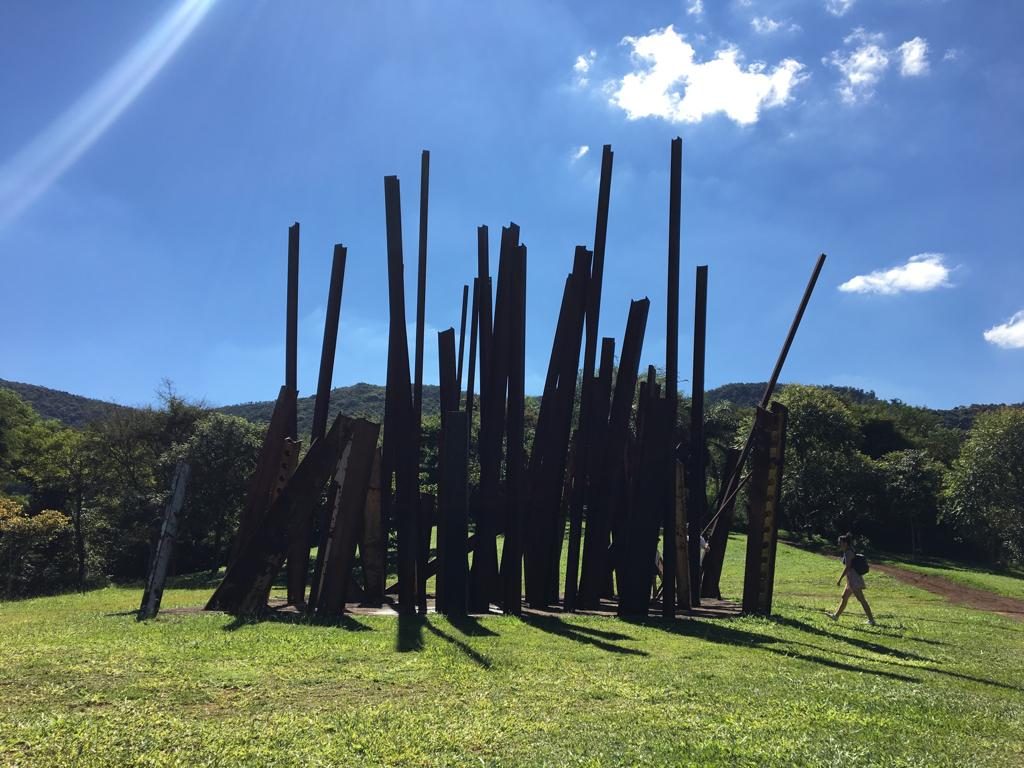
Se o Instituto Inhotim não sofreu diretamente em seu território as consequências do rompimento da barragem da Vale em Brumadinho, ocorrida em janeiro deste ano, o grandioso museu ao ar livre – com 140 hectares entre jardins e pavilhões dedicados à arte contemporânea – não deixou de ter suas atividades afetadas pela tragédia na cidade mineira.
O instituto, que alcançou em 2018 um total de 3 milhões de visitas (em 13 anos de atividade), teve uma grande queda no número de visitantes nos primeiros meses deste ano, resultado da destruição de áreas da cidade e da diminuição do turismo. Além disso, 80% dos 600 funcionários do Inhotim são moradores da região e, de diferentes modos, sofreram com as consequências do rompimento.
Incentivar a retomada na visitação ao instituto e fortalecer os vínculos com a comunidade local são alguns dos principais focos da nova diretora executiva de Inhotim, Renata Bittencourt, que assumiu o cargo no último mês de abril. A mudança na diretoria – que acontece mais de um ano após a renúncia de Bernardo Paz da presidência, consequência de seus problemas com a Justiça – também incluiu a transferência de Antonio Grassi para o cargo de diretor-presidente.
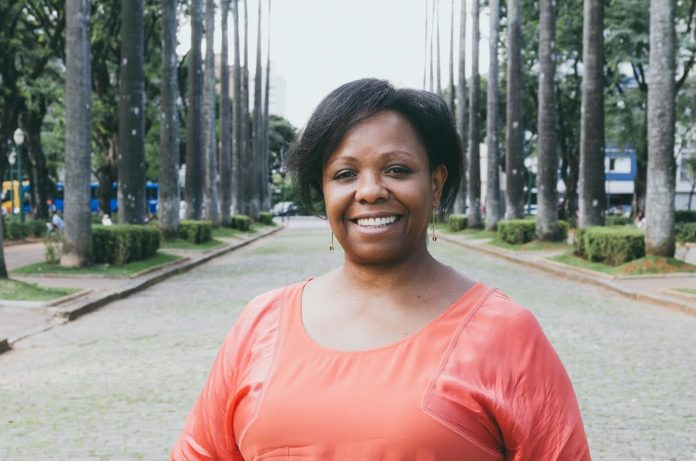
Bittencourt, que teve passagens pelo Instituto Brasilerios de Museus (Ibram) e pela secretária da Cidadania e da Diversidade Cultural do MinC, é autora de pesquisas sobre a representação dos negros na história da arte. Ela conversou por e-mail com a ARTE!Brasileiros sobre os desafios de sua gestão, os esforços do instituto na recuperação da região e o panorama político brasileiro. Leia abaixo.
Obra de Chris Burden. FOTO: Jamyle Rkain
ARTE!Brasileiros – Você assume a diretoria de Inhotim em um momento muito difícil para a cidade de Brumadinho e para a região, após o rompimento da barragem que resultou em um grande número de mortes e em uma grande tragédia ambiental. Quais são os planos iniciais para a sua gestão e de que modo se relacionam com este contexto?
Renata Bittencourt – Temos dois desafios centrais hoje. Um deles é fortalecer os vínculos com a comunidade local. Já exercemos diversas ações e projetos com moradores de Brumadinho e região, como o Nosso Inhotim, que garante gratuidade na entrada do Instituto e meia entrada em eventos; a Escola de Música, que proporciona musicalização a crianças, jovens e adultos da comunidade; o Inhotim para Todxs, para acessibilidade de grupos participantes de movimentos sociais; e muitos outros. Mas estamos empenhados em intensificar e propor novas atividades, de forma a ampliar nao só o acesso, mas também uma participação mais efetiva da comunidade no Inhotim.
Outra frente de trabalho é seguir convidando os públicos provenientes de diferentes partes do Brasil e do mundo para que visitem o Inhotim e Brumadinho, com todas as belezas e riquesas culturais que a região oferece.
Qual o potencial de Inhotim para ajudar na “reconstrução” da cidade e na normalização da vida de seus habitantes?
Inhotim tem uma história de muitos anos de relacionamento e construção com este território. As pessoas de Brumadinho são as responsáveis, em grande medida, pela beleza construída em Inhotim desde que Bernardo Paz iniciou o projeto, e hoje 80% dos colaboradores da instituição são da cidade e da região. Ao mesmo tempo, Inhotim possibilitou o surgimento de uma cadeia turística que beneficia muitas pessoas e que deve seguir sendo vitalizada, hoje mais do que nunca. O povo de Brumadinho demonstra a cada dia sua força e nos cabe admirar essa comunidade e fortalecer Inhotim como presença construtiva.
Como você disse, o programa Nosso Inhotim faz parte desta aproximação com a cidade. Como ele funciona?
Inhotim pertence a Brumadinho, por isso nada mais justo que a instituição deixar claro que as portas estão abertas a todos dessa comunidade. Queremos que a instituição seja um espaço de convivência regenerador, para todos que queiram desfrutar de seu Jardim Botânico e de suas galerias de arte. Com o programa Nosso Inhotim, moradores de Brumadinho cadastrados têm acesso gratuito ao Inhotim e 50% de desconto nos eventos realizados pelo Instituto. Uma vez por mês, equipes do Inhotim irão promover o registro presencial dos moradores, o que também pode ser feito por e-mail. Nos últimos dois meses, já cadastramos mais de 3 mil pessoas.
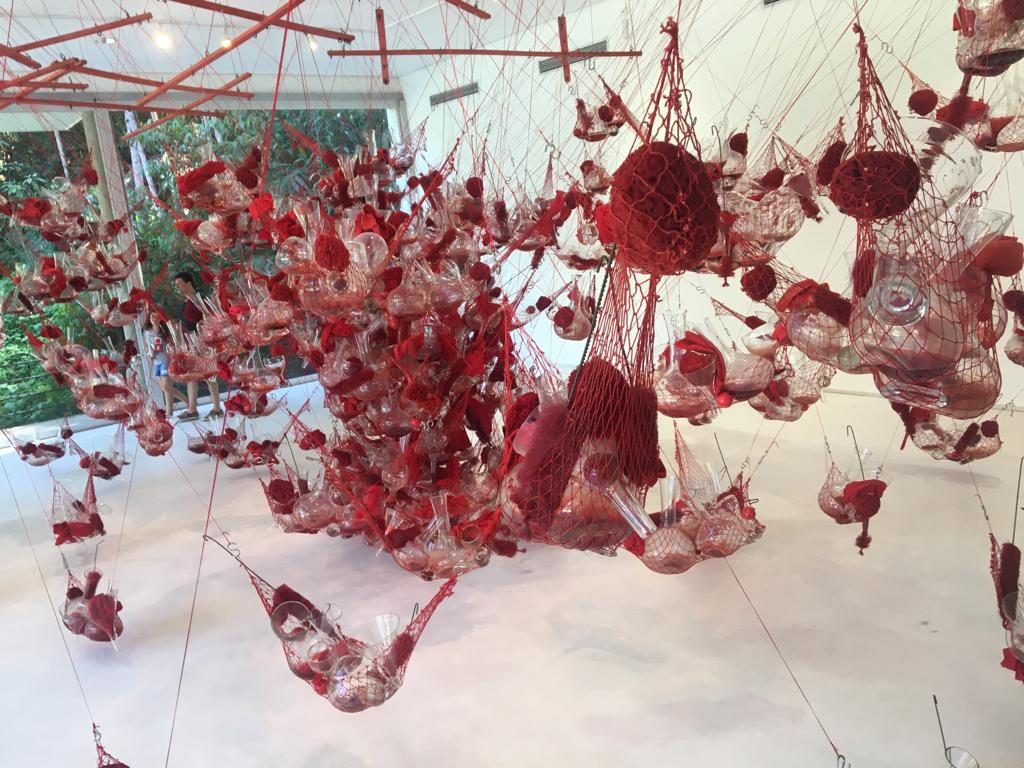
Obra de Tunga em Inhotim. FOTO: Jamyle Rkain
Quanto ao conteúdo artístico exposto, há planos para novos pavilhões ou novas exposições em um futuro próximo?
Temos novos projetos bastante empolgantes relacionados a nomes como Yayoi Kusama e Robert Irwin, e teremos notícias em breve.
Neste momento, como se dá a captação de recursos para o Instituto?
O Instituto Inhotim é uma instituição sem fins lucrativos, reconhecida pelo governo estadual como Organização da Sociedade Civil de Interesse Público (Oscip) desde 2008. O título facilita parcerias entre o Instituto e os governos municipal, estadual e federal, e permite que empresas possam fazer doações para o Inhotim de maneira que esses valores sejam descontados do imposto que devem ao governo. Todos os recursos arrecadados na bilheteria e com venda de serviços são destinados à manutenção das atividades do Inhotim. Para a sustentabilidade e manutenção dos nossos serviços, contamos com patrocinadores, parceiros e apoiadores que acreditam no nosso trabalho e viabilizam a criação e desenvolvimento de muitos projetos.
As novas regras na Lei Rouanet, já utilizada muitas vezes pelo Inhotim, podem afetar o instituto?
Museus não foram afetados pelas mudanças mais recentes, por trabalharem com planos anuais de atividades. Mas é claro que a Lei Rouanet é um instrumento de fomento à cultura importante para produções artísticas e instituições culturais de diferentes perfis.
O momento atual do país e as políticas do novo governo têm gerado grande apreensão para quem trabalha com cultura, de um modo geral. Como você enxerga esse momento e essas novas políticas?
Acredito que o problema é mais amplo. Precisamos refletir sobre a importância que atribuímos, como sociedade, à diversidade como valor, às manifestações culturais como patrimônio e ao papel social das instituições culturais. O fortalecimento do setor depende desta ampla conscientização, e da atuação complementar de diferentes esferas, conectadas com os campos da criação, da mediação e da gestão.
Falando mais especificamente sobre sua produção acadêmica, uma de suas linhas de pesquisa tem a ver com a representação do negro na História da Arte, especialmente nos séculos 19 e 20. Pensando no Brasil atual, como você enxerga o quadro? Há ainda uma subrepresentação de artistas, pesquisadores e profissionais negros no meio das artes visuais?
A cultura é campo da convivência das diferentes visões e imaginações de mundo e da pluralidade de expressões. Acredito que o sistema das artes tem sido chamado para observar a necessidade de valorização da diversidade no contexto dos corpos técnicos das instituições. Há um número expressivo e crescente de profissionais e pesquisadores prontos a contribuir com a diversificação de vozes e perspectivas.
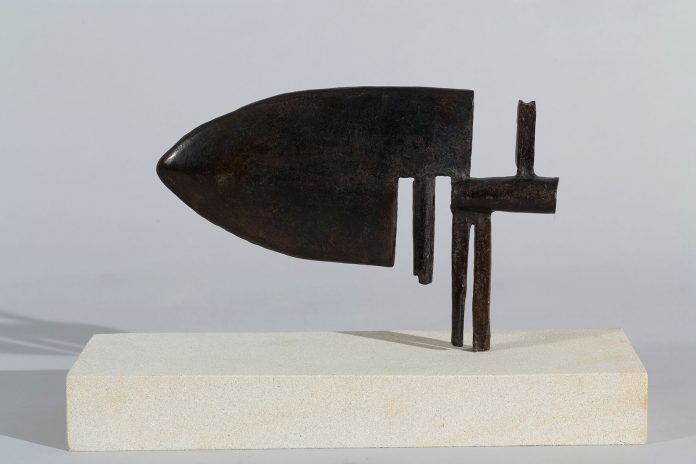
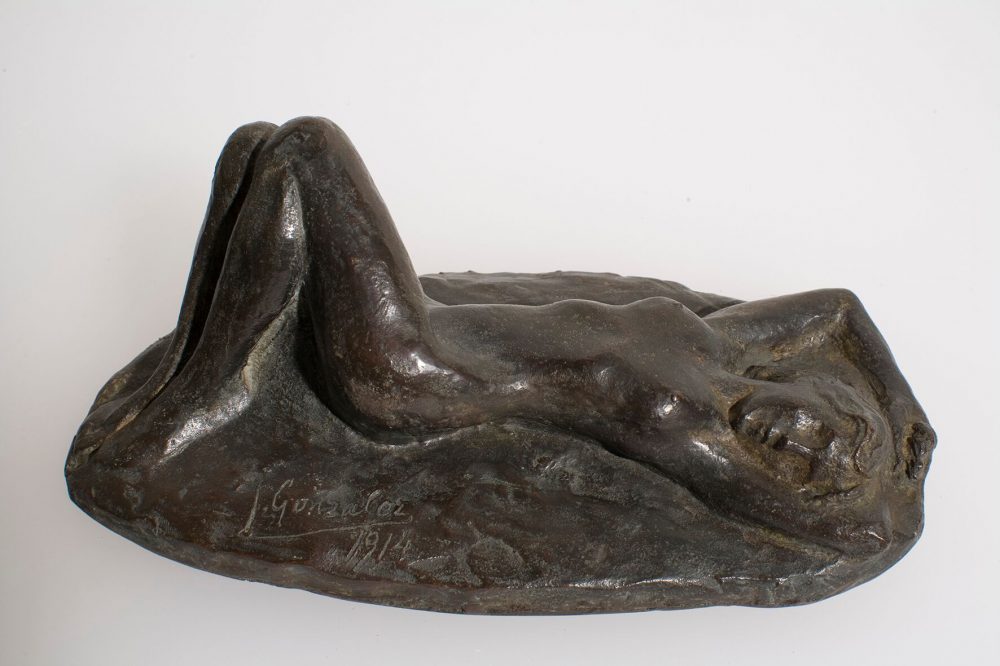
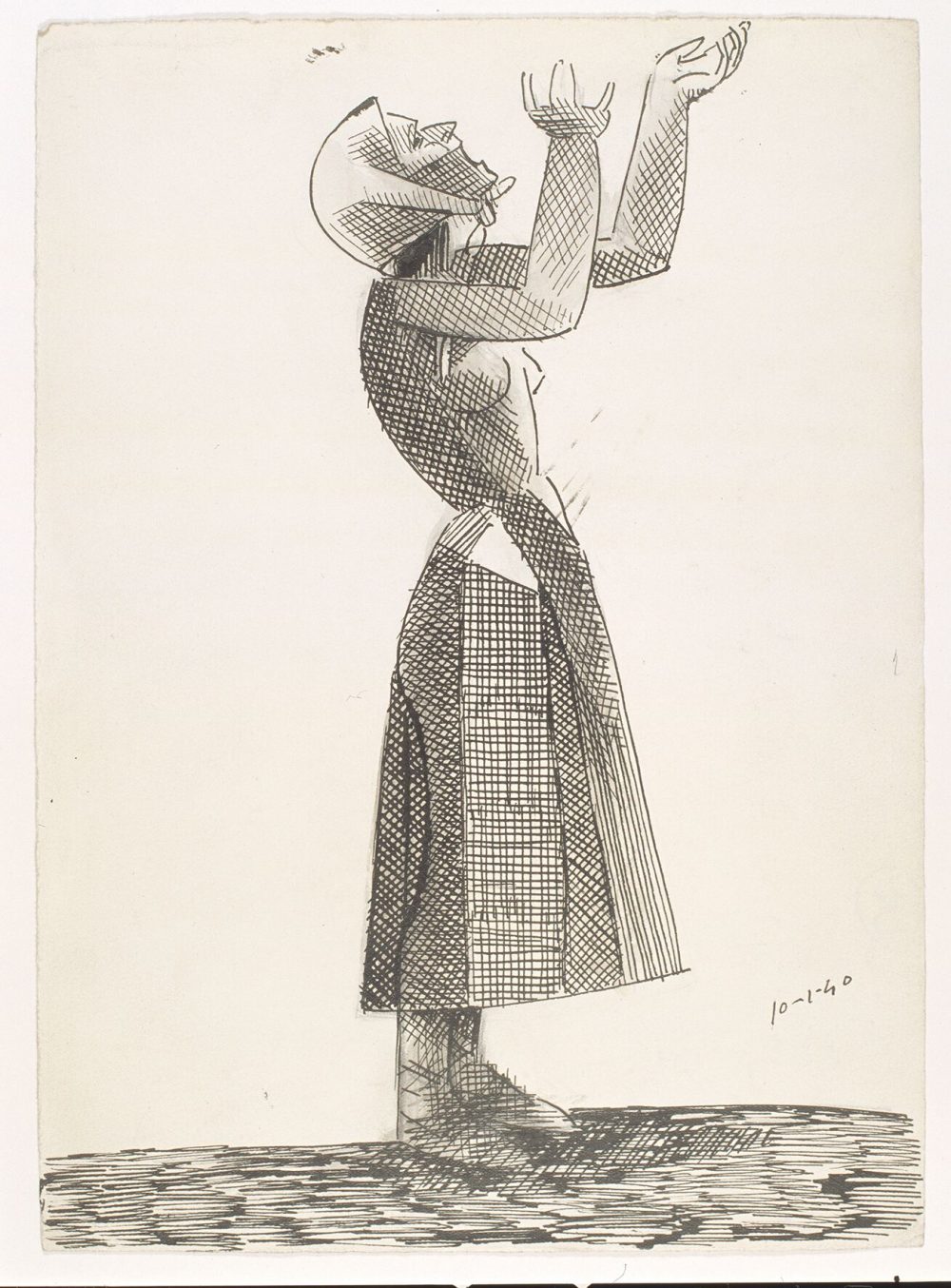
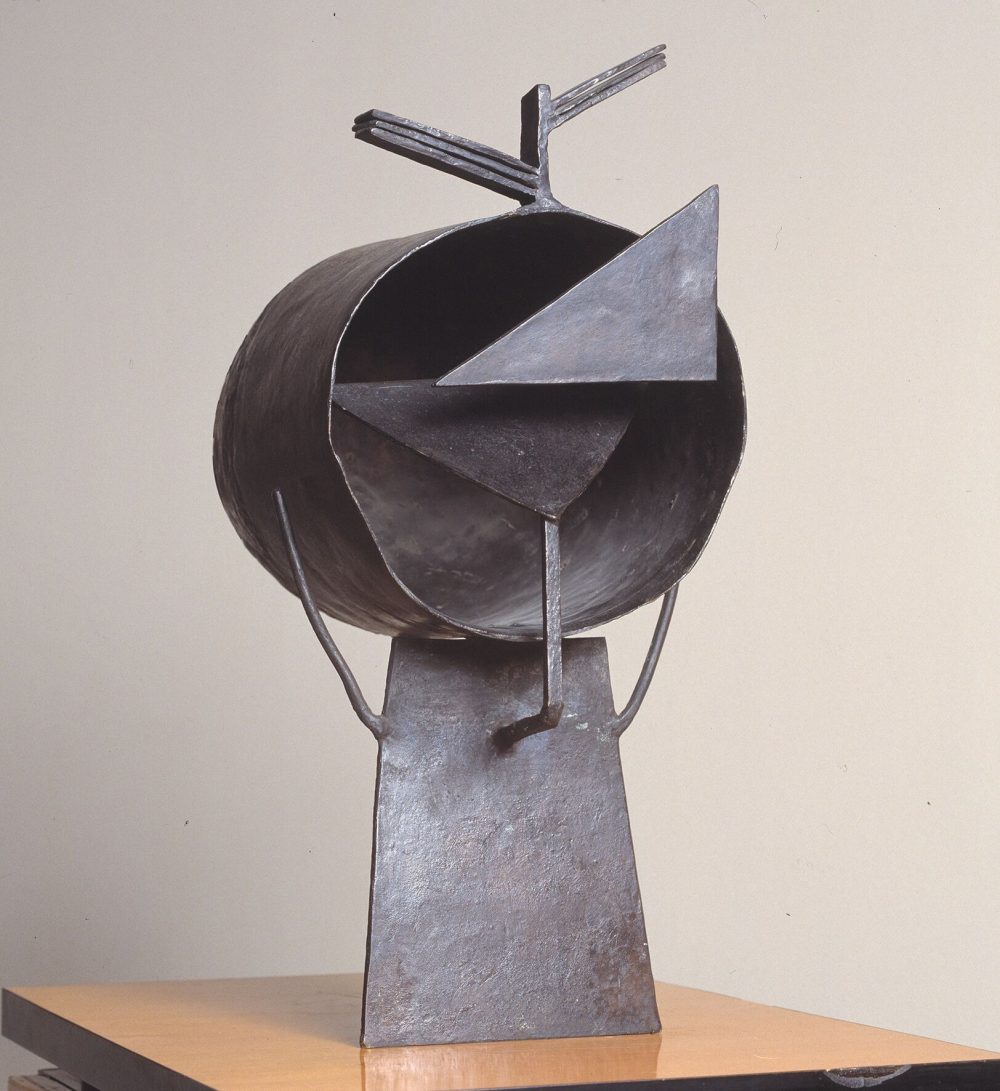
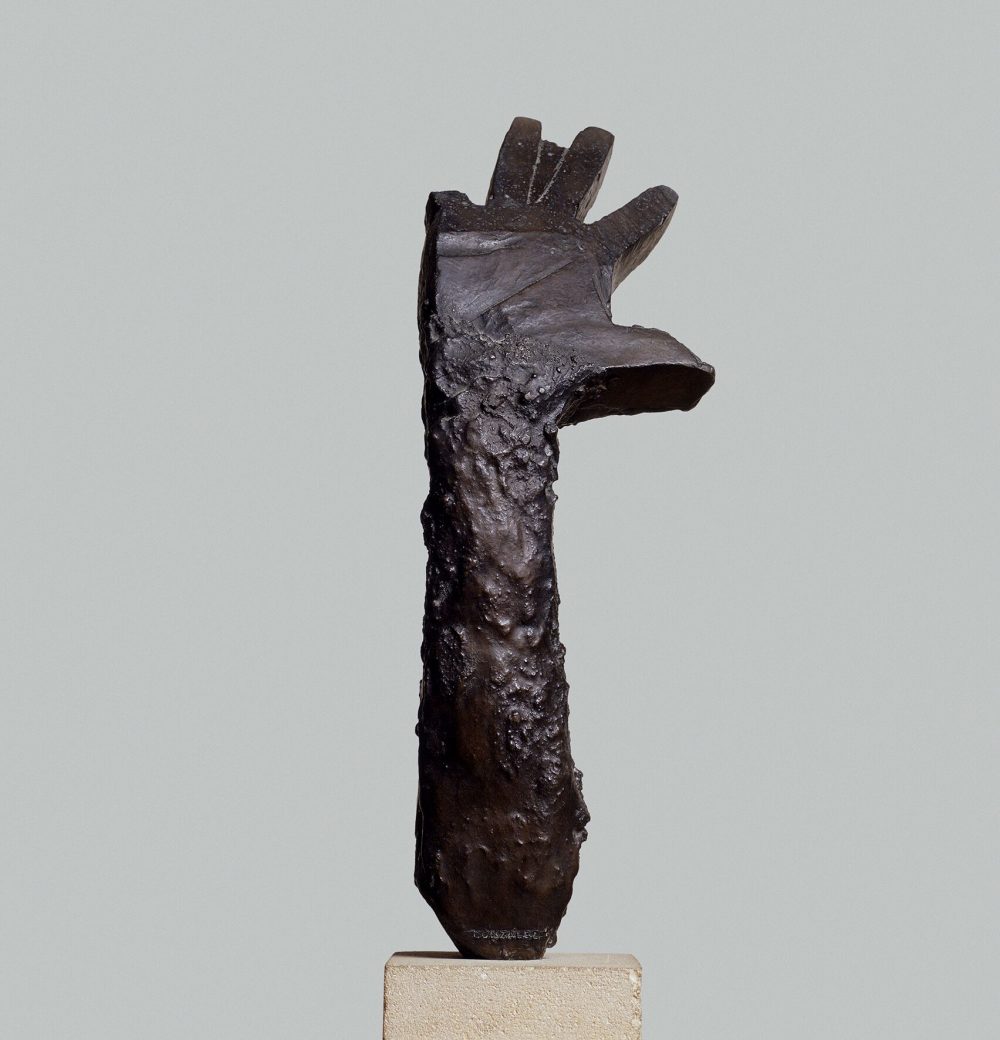
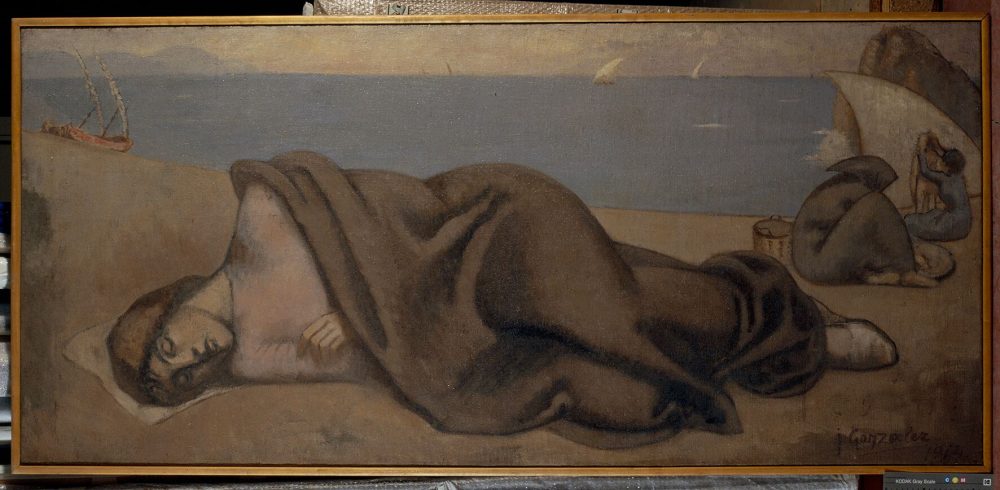
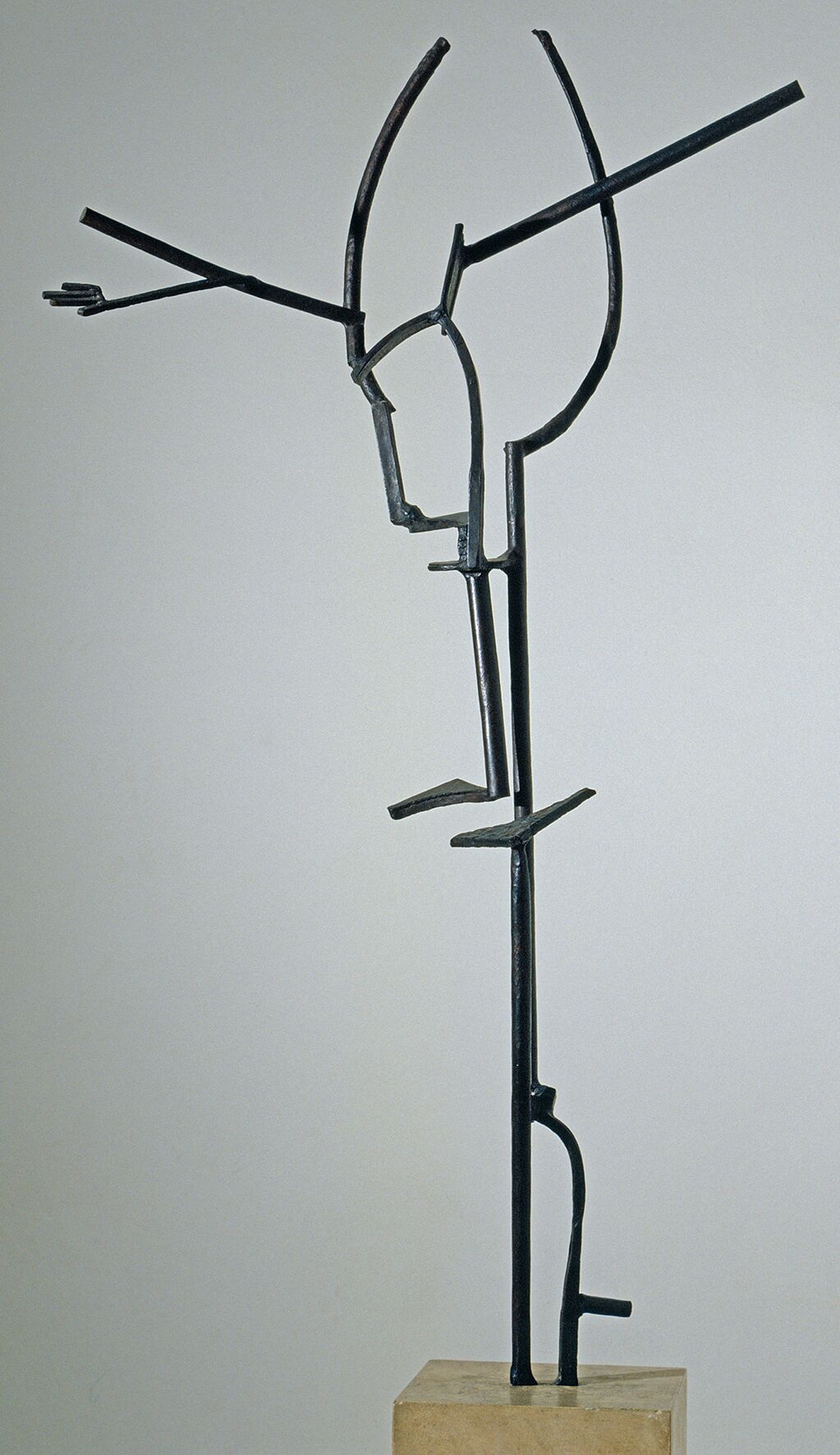
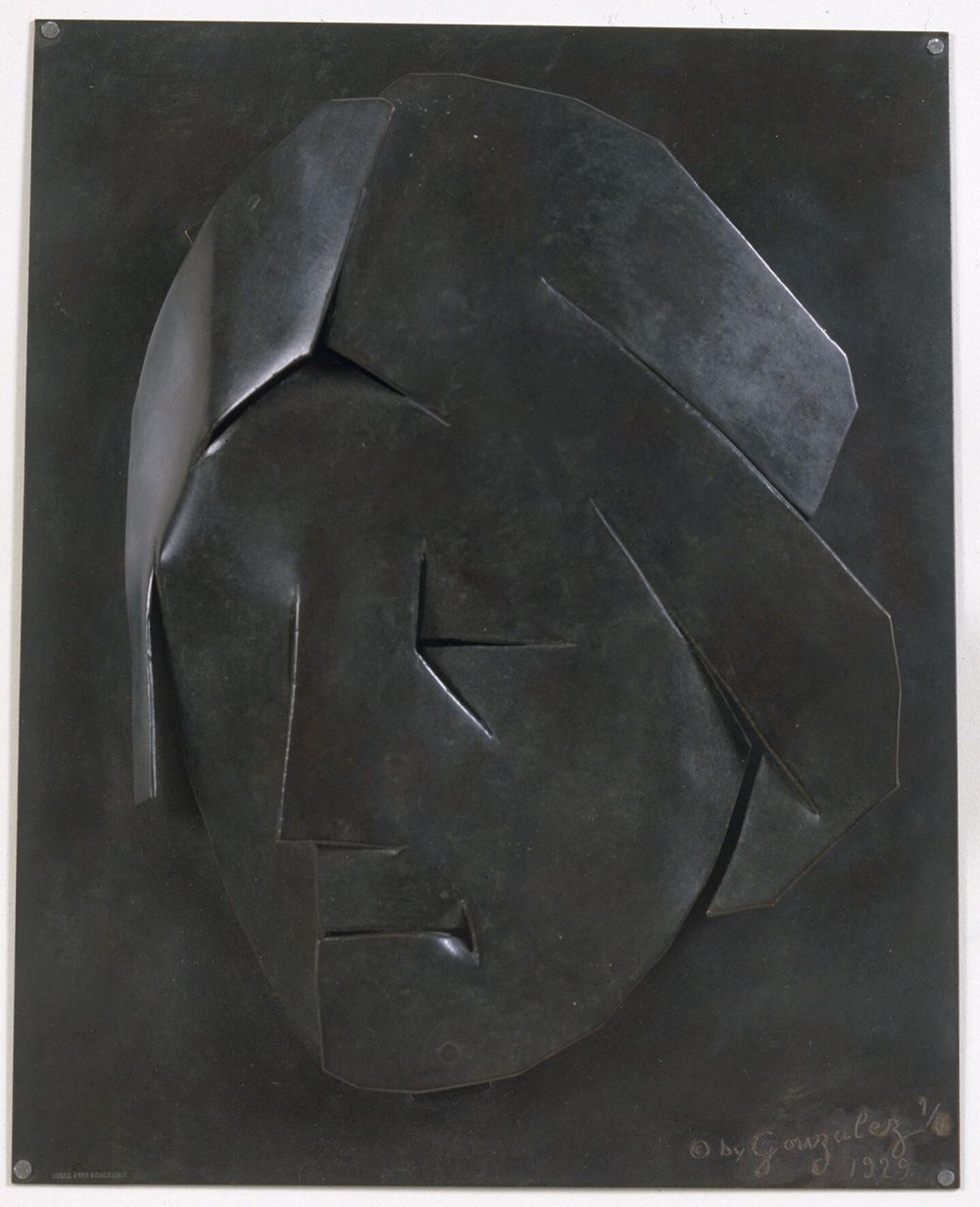
Importante nome da arte moderna da primeira metade do século 20, considerado por muitos como o pai da escultura moderna em ferro, o catalão Julio González (1876-1942) ganha uma grande mostra no Instituto Tomie Ohtake a partir desta terça-feira, dia 4 de junho. Intitulada Julio González – Espaço e Matéria, a exposição traz ao Brasil 70 obras, entre esculturas, desenhos, pinturas, fotografias e documentos, que datam de diferentes períodos da carreira do artista.
A trajetória de Gonzáles tem inicio na oficina de serralheria artística de seu pai, ainda no fim do século 19, em Barcelona. O artista muda-se para Paris em 1899 e dedica-se principalmente à pintura. Nesse período se aproxima de importantes nomes do modernismo, notadamente Pablo Picasso.
É em período posterior, após os anos 1920, que González passa a se dedicar com maior afinco à escultura – após trabalhar como aprendiz de soldador na Soudure Autogène Française. A partir daí o artista colaborou com Picasso e com Brancusi e, em 1934, se integrou ao grupo Círculo e Quadrado. Em 1934, junto a muitos outros artistas modernos, assinou o manifesto do grupo Abstração – Criação.
1 de 8
Trabalho que integra a mostra. FOTO: Divulgação
Trabalho que integra a mostra. FOTO: Divulgação
Trabalho que integra a mostra. FOTO: Divulgação
Trabalho que integra a mostra. FOTO: Divulgação
Trabalho que integra a mostra. FOTO: Divulgação
Trabalho que integra a mostra. FOTO: Divulgação
Trabalho que integra a mostra. FOTO: Divulgação
Trabalho que integra a mostra. FOTO: Divulgação
Nas palavras da curadora da mostra, Elena Llorens: “Sua produção escultórica em ferro deve ser inserida no contexto disruptivo das vanguardas da primeira metade do século, caracterizado por uma intensa especulação formal. Deve-se a González o fato de ter dotado a escultura de uma nova gramática capaz de deslocar, com um material totalmente alheio à tradição, as seculares noções de volume e massa”.
A mostra é uma parceria do Instituto Tomie Ohtake, da Fundação Abertis e do Museu Nacional d’Art de Catalunya (Barcelona), para o qual a filha do artista doou cerca de 200 obras em 1974 – fazendo da instituição uma das principais difusoras da obra de González.
Julio Gonzáles – Espaço e Matéria
Instituto Tomie Ohtake – Av. Faria Lima, 201, São Paulo
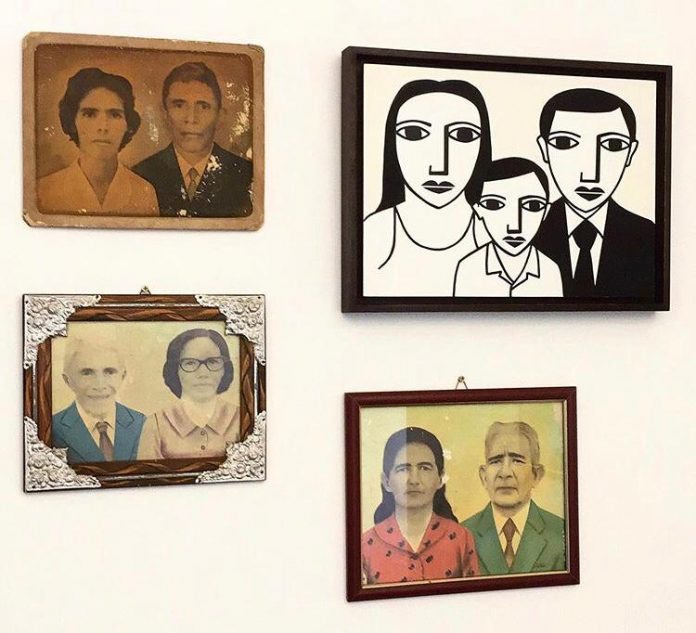
Obra de Derlon ao lado de fotopinturas antigas. FOTO: Divulgação
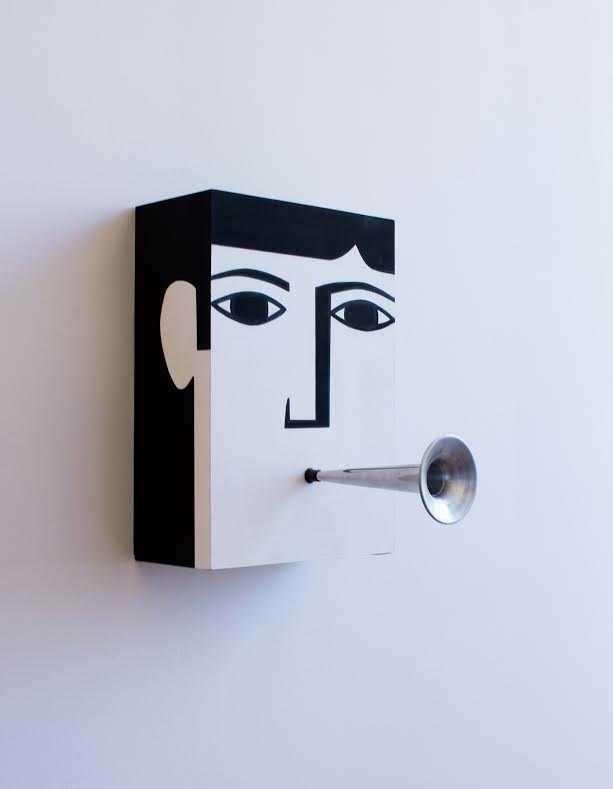
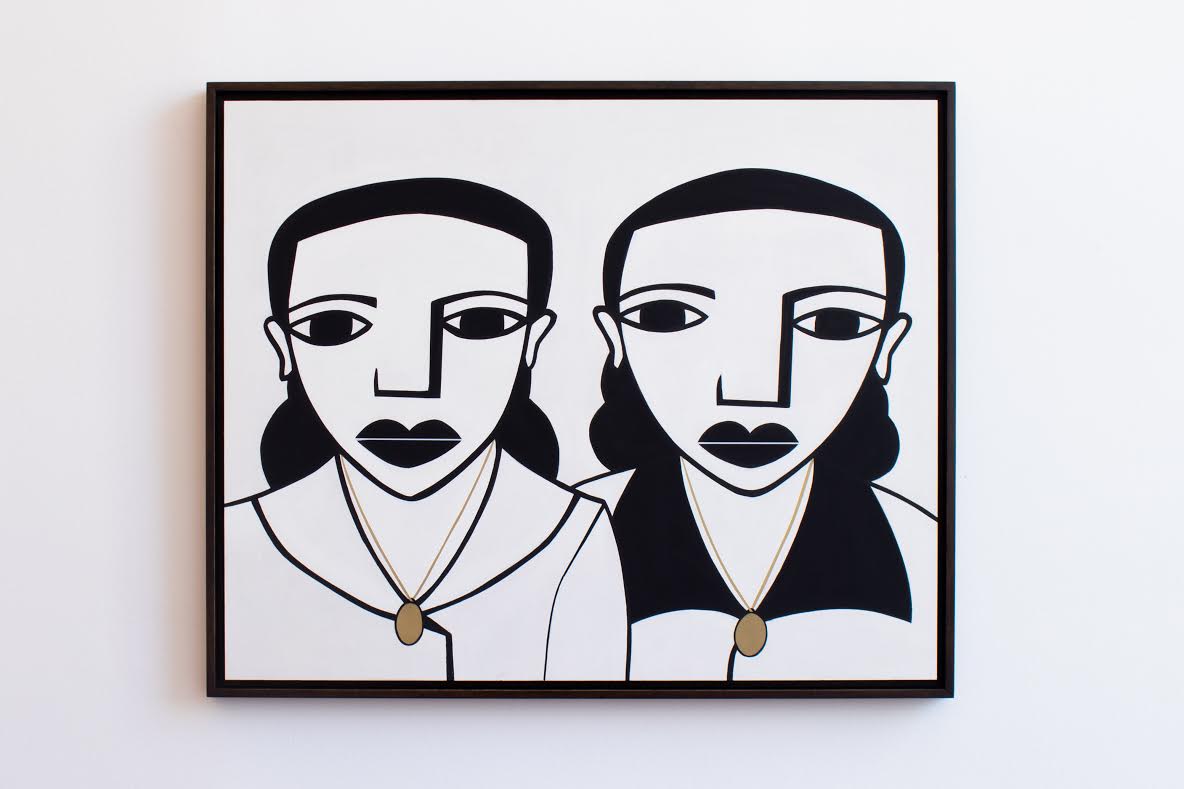
Conhecido por sua linguagem que dialoga tanto com a arte popular – especialmente a xilogravura nordestina – quanto com o grafite e a arte de rua, o artista recifense Derlon construiu uma sólida e prolífica carreira ao longo da última década. Seja em muros de cidades do Brasil e do exterior – de capitais europeias ao sertão cearense –, seja em exposições em museus e galerias, Derlon desenvolveu uma identidade visual impactante, com predomínio do preto e do branco e um uso sóbrio de outras cores.
Radicado há sete anos em São Paulo, Derlon volta agora à Recife para apresentar a exposição A Beleza do Tempo – pouco após lançar um livro sobre sua obra no Rio de janeiro, na galeria Artur Fidalgo. A mostra na capital pernambucana, na Galeria Amparo 60, se baseia em uma longa pesquisa feita pelo artista sobre as fotopinturas, uma técnica bastante utilizada no passado, mas praticamente extinta hoje.
1 de 4
Obra de Derlon que está na mostra. FOTO: Divulgação
Obra de Derlon que está na mostra. FOTO: Divulgação
Obra de Derlon que está na mostra. FOTO: Divulgação
Obra de Derlon que está na mostra. FOTO: Divulgação
“Eu nasci no Recife, tenho essa vertente saudosista, trabalho muito com a memória. É algo que toca muito em mim, com a qual me identifico. Por isso fui tocado por essas fotopinturas”, explica Derlon no texto de apresentação da mostra. Nas obras que estão expostas, o artista parte de fotopinturas para desenvolver seus trabalhos.
A exposição conta com trabalhos de diferentes dimensões – feitos com acrílica sobre MDF e compensado, utilizando spray, estêncil e pincel –, além de um grande mural feito em uma parede do edifício. “Trabalhar numa parede é bem diferente de trabalhar numa tela. Venho maturando a minha obra, porém sem perder minhas referências, mas experimentando novas possibilidades”, conta.
As obras que Nazareth Pachecho reúne em sua nova exposição na Galeria Kogan Amaro, em São Paulo, talvez sejam os objetos mais afetivos que a artista produziu em sua carreira. É que durante esse processo, e especialmente nos últimos cinco anos, muito aconteceu em sua vida privada que a fez se voltar intimamente para a criação.
Em entrevista à ARTE!Brasileiros, a artista conta que no período em questão seus pais adoeceram. A mãe enfrentou um câncer no pulmão e veio a falecer algum tempo depois. Nos meses seguintes, foi a vez da família voltar a atenção aos cuidados do pai, que foi diagnosticado com o mesmo câncer. “Durante todo esse período teve todo um momento de, além do luto, de dedicação aos dois durante o tratamento. Eu fiquei mais voltada ao meu trabalho e a me dedicar a eles. Com o falecimento de ambos, me voltei mais pra mim, num processo mais íntimo e respeitando o meu momento de luto”, ela diz.
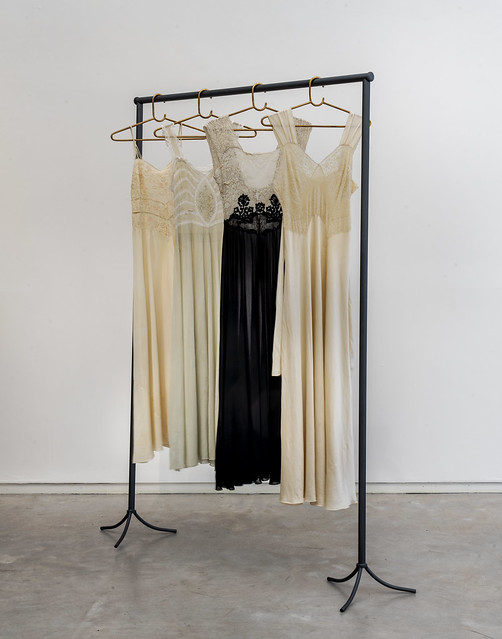
Enquanto desmontava a casa onde os pais moravam, Nazareth encontrou pertences dos dois que a interessaram como materiais para o seu trabalho, como instrumentos de trabalho do pai médico e camisolas da mãe. Esses objetos foram transformados por ela em obras que compõem a exposição. Os já citados foram convertidos na série Dele e na obra Vida.
1 de 3
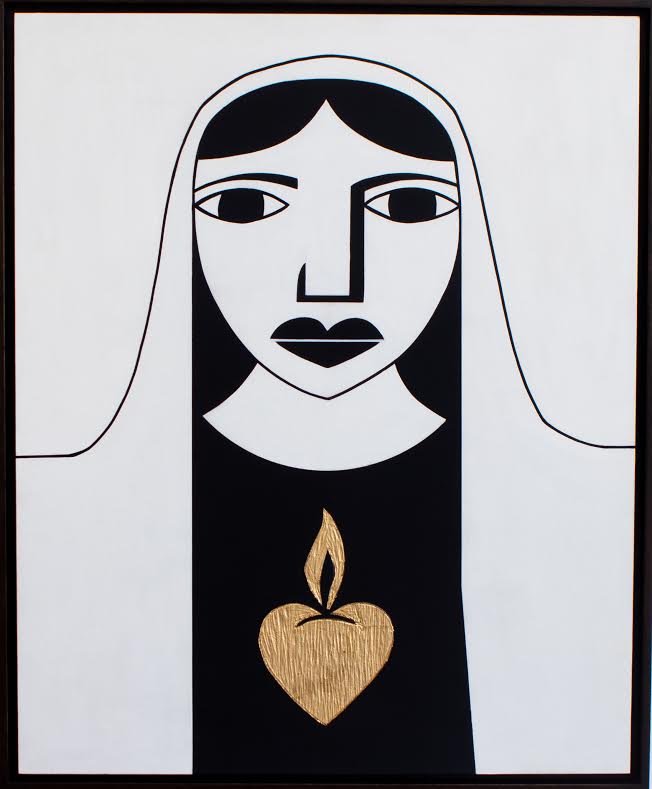
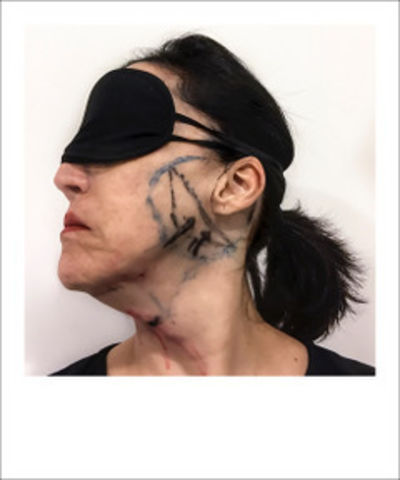
Série Momentos, 2017. FOTOS: Rômulo Fialdini
Série Momentos, 2017
Série Momentos, 2017
Nascida em 1961, a artista encarou ao longo de seu crescimento uma doença congênita que afetou a formação de seu corpo. Sua vida foi marcada por uma série de cirurgias ditas “corretivas”. Uns três meses após o pai falecer, ela conta, Nazareth começou a ter um problema em um pé, no qual tinha feito uma cirurgia aos 16 anos de idade: “Toda uma história do corpo foi voltando, que eu tinha tratado desde que eu nasci. Mas antigamente quem se responsabilizava por isso eram os meus pais. Dessa vez eles não estavam mais aqui e eu que estive que estar à frente disso”.
Nazareth teve que se submeter a cirurgias ortopédicas, reparadoras, semelhantes às quais passou quando era criança, mas decidiu também que gostaria de fazer cirurgias estéticas, as quais registrou na série de retratos Momentos. Ter um cuidado com o corpo, ela diz, foi uma forma também de superar o luto: “Isso eu acho que estava ligado a uma luta dos meus pais sempre pela possibilidade de melhora quando se tratava das questões do meu corpo”. Nesse ponto, ela também se debruça sobre as questões do feminino: “Eu estava em uma fase da minha vida, hoje estou com 57 anos, passando por um momento da mulher, da menopausa, que começa a ter a queda de hormônios”.
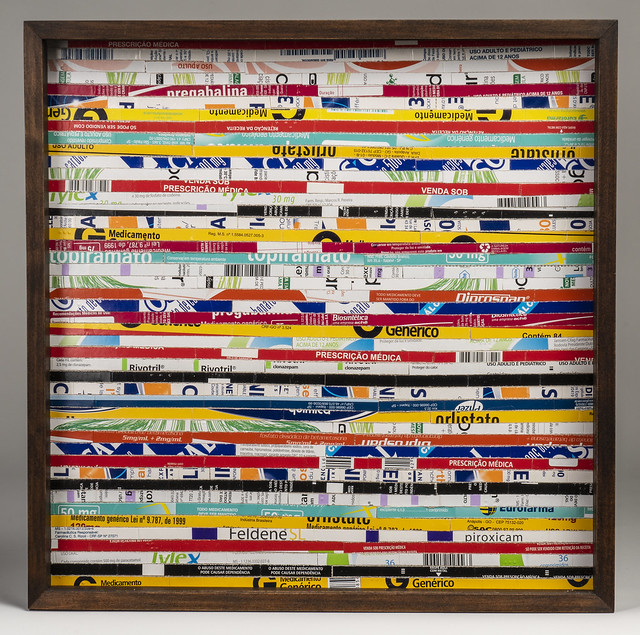
Em Registros/Records, ela retoma muito daquilo que já havia tratado nos anos 90, vinculado aos tempos em que teve que lidar com o corpo. Se em 1993 ela apresentou a instalação Objetos Aprisionados, com caixas que traziam medicamentos, bulas, radiografias, dentre outras coisas, hoje ela exibe a obra Embala, na qual monta um quadro de colagens de caixas de remédios, e a instalação Registros, onde Nazareth esculpe uma espécie de cachoeira com recortes de radiografias de seus pais.
Apesar de toda a carga pessoal das obras, a artista aponta o cuidado para que cada uma das peças pudessem ter um significado próprio, uma história própria. “Independente dessa minha história os trabalhos precisam se sustentar formalmente”. Neles, portanto, ela buscou enfatizar questões do indivíduo em si, passando por questões de gênero e de inclusão.
1 de 5
Vida, 2019. FOTOS: Rômulo Fialdini
Embala, 2017
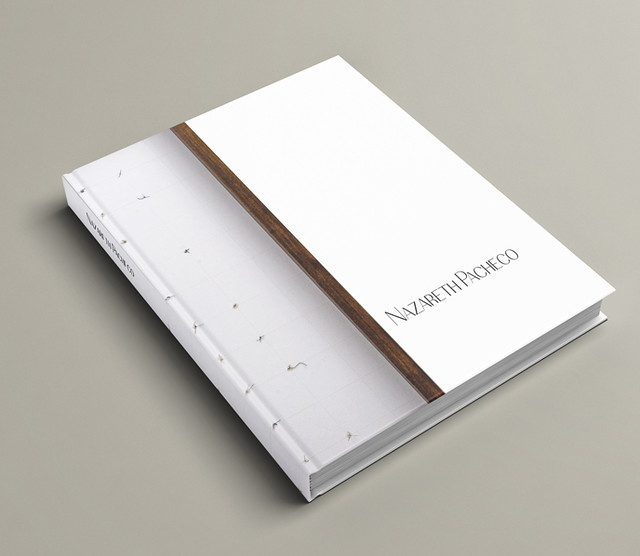
Capa do livro que documenta 30 anos de trajetória da artista.
É desta forma autobiográfica que ela revisita não só a sua história familiar, mas também toda a sua trajetória como artista. Isso se torna ainda mais concreto com o lançamento do livro contendo seus trabalhos, lançado na abertura do evento. A edição organizada por Regina Teixeira da Costa e construída junto a várias pessoas que rodearam a artista ao longo dos anos possui textos críticos de vários nomes da arte brasileira publicados em outras ocasiões, como Marcus Lontra, Moacir dos Anjos e Tadeu Chiarelli, além de alguns inéditos, como de Cauê Alves.
Além disso, a publicação traz páginas que apresentam uma vasta cronologia da vida de Nazareth, ilustradas com fotos da família, de obras, de residências, dentre outras passagens. Na apresentação, Regina enfatiza que Nazareth ao longo de seus trinta anos de carreira criou obras nas “ao contrário de seus pares, não se preocupou em inserir nesses objetos a expressividade individual de seu gesto, criando trabalhos isentos de romantismo personalista”.
NazarethPacheco: Registros/Records
Galeria Kogan Amaro Até 15 de junho
NazarethPacheco – NazarethPacheco
Allucci & Associados Apoio Fundação Marcos Amaro -FMA Org. Regina Teixeira de Barros
R$100
216 Páginas
Azul Cooper, Ambigua, de la serie 'Fragmentadas'. Fotografías y pinturas clásicas - 2014. Obra na mostra que terá curadoria do movimento Ni Una Menos.
A BIENALSUR continua a todo vapor na Argentina. Depois de ativações, em maio, nas províncias de Tierra Del Fuego e Tucumán, estão agendadas para o mês de junho uma série de atividades que acompanham a bienal pelo território do país. Notáveis cidades — San Juan, Córdoba e Rosário — entram na programação do evento, que nesta segunda edição reforça ainda mais o seu caráter multiterritorial. As aberturas na capital, Buenos Aires, também terão o pontapé inicial no próximo mês.
Rosário será a primeira cidade a receber exposições, nos dias 5 e 6 de julho. O destaque fica por conta da mostra integrada Dos museos y un río, que acontece no primeiro dia no Museo de Arte Contemporáneo de Rosario (Macro). Composta por coleções dos museus Castagnino e Macro, ela promove o o diálogo entre obras de uma instituição de arte moderna e de uma instituição arte contemporânea. O objetivo é produzir curtos circuitos e sinergias capazes de intensificar o significado das obras expostas e provocar novas linhas de sentido. Artistas argentinos de intenso apelo ao redor do mundo fazem parte dessa exposição, como León Ferrari e Graciela Sacco.
No dia seguinte, a cidade também sediará a inauguração da exposição Ensayos sobre el trabajo, no Centro Cultural Parque de España, que reunirá obras de artistas desde a argentina até a África. Entre eles Tnani Ali (Tunísia), Yohnattan Mignot (Uruguai) e Catalina Sosa (Argentina).
1 de 5
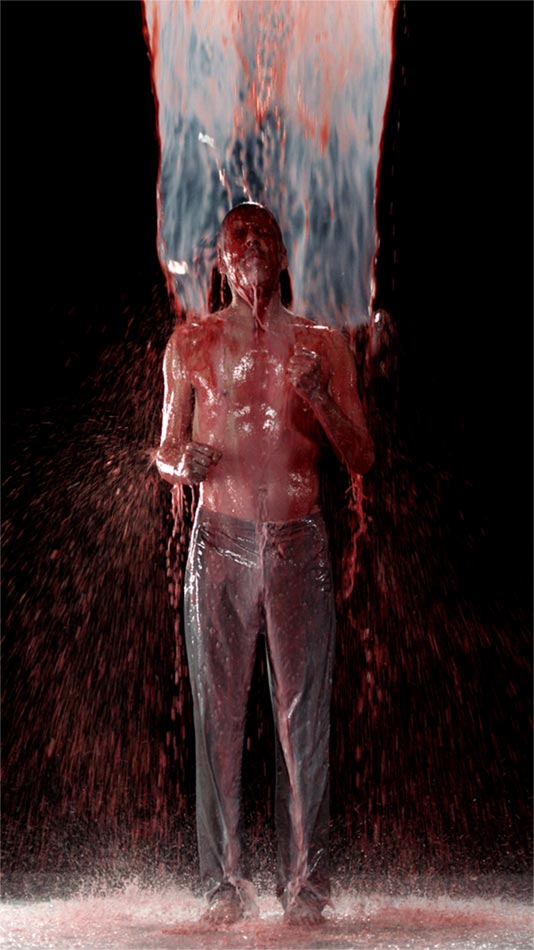
Bill Viola, Inverted Birth. Obra na exposição individual do artista em San Juan, com curadoria de Marcello Dantas. FOTO: Kira Perov
Grete Stern, Autorretrato con flor, 1935. Na exposição que terá obras do Museo Castagnino e do Macro, em Rosário.
Azul Cooper, Ambigua, de la serie 'Fragmentadas'. Fotografías y pinturas clásicas - 2014. Obra na mostra que terá curadoria do movimento Ni Una Menos.
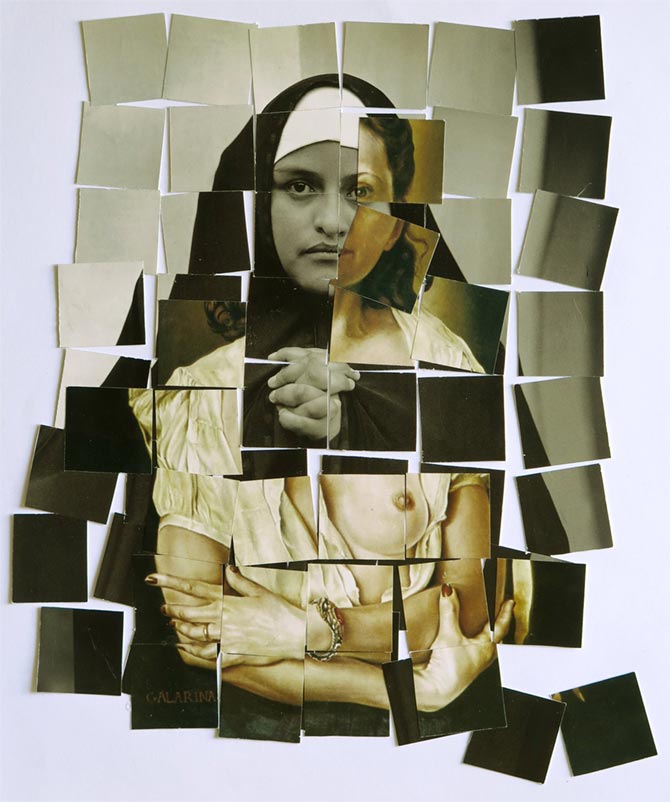
Mas a ênfase fica mesmo para a exposição que tem organização do movimento Ni Una Menos, trazendo ares da luta feminista à BIENALSUR ao ocupar o Centro de Expresiones Contemporáneas. Recuperemos la imaginación para cambiar la historia, como é intitulada a mostra, se propõe a ser “um arquivo vivo, em constante movimento, que relaciona obras muito contemporâneas, criadas no calor da ação feminista, que não apenas denunciam a cisheteronorma (matriz de nosso sistema), mas possibilitam alternativas e releituras”. Uma proposta que também caminha pela ideia de empoderamento foi inaugurada em Tucumán no último fim de semana, a mostra Heroínas, com obras que incluem fotografias históricas das Mães da Plaza de Mayo.
Em Córdoba, a partir de 13 de junho, o destaque é a exposição (+) MUNDOS (-) IMPOSIBLES, que se dedica a mostrar “formas de habitar o mundo”, com obras de Chiachio & Giannone, Luis Pazos, Juan Carlos Romero, León Ferrari, Liliana Maresca, Marcos López, Romina Casile, Tamara Stuby, Vera Grión, Mariana Collares, Natalia Carrizo, Corina Arrieta, Carolina Andreetti, dentre outros.
Já na última quinzena do mês, em San Juan, a mostra The Body of Time, individual de Bill Viola, aclamado artista estadunidense, considerado o nome mais importante da videoarte, será a bola da vez. Bill Viola já esteve presente no Brasil, em São Paulo, no SESC Paulista. Apresentada no Museu Provincial de Belas Artes Franklin Rawson, a partir do dia 21, ela tem curadoria do brasileiro Marcello Dantas, que declara sobre Viola: “Suas obras são uma meditação sobre a vida, morte, transcendência, renascimento, tempo e espaço”.
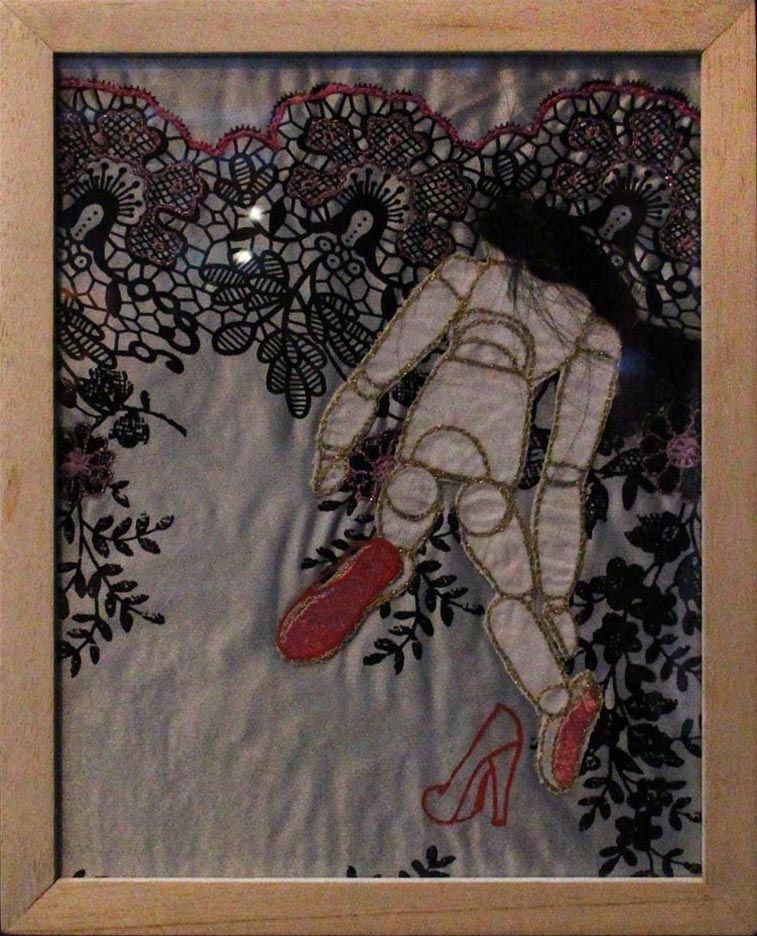
Janaina Barros, Quanto as Bonecas de Bitita Brincam.
Na estrada desde 2018, a mostra PretaAtitude, após exibição em Ribeirão Preto e São Carlos,chega agora em São Paulo, no Sesc Vila Mariana. A exposição está sob a responsabilidade de Claudinei Roberto, artista que também se afirma como curador interessado na produção artística afrodescendente (mas não somente).
A edição paulistana chama a atenção pela quantidade de obras dos 14 artistas convidados, totalmente em conflito com o espaço exíguo destinado à mostra. Uma pena, pois sabemos que o sucesso de uma exposição não está ligado ao número de peças exibidas, pelo contrário: o importante é impedir o excesso. Walter Zanini afirmava que, em uma exposição, em primeiro lugar deve estar a obra de arte. Depois, tudo aquilo que deve valorizá-la. O que isso significa? Em uma exibição, o protagonismo deve ser de todas as obras exibidas e de cada obra em particular. Independente do partido adotado para reuni-las, do tema ou do assunto, ou mesmo da importância já assumida pelos autores das obras (ou pelo responsável pela exposição), o que vale são as condições dadas para que cada obra possa dar-se à exibição plena, sem entraves, sem impedimentos, para que o espectador possa estabelecer contato direto com cada obra em particular, sem que uma atrapalhe a outra pela excessiva proximidade.
É possível estabelecer relações entre as obras que se exibem? É claro que sim. Inclusive, é desejável que isso ocorra, desde que essas relações não signifiquem o comprometimento da percepção de cada uma das obras em suas particularidades. Infelizmente não se percebe esse cuidado em PretaAtitude. O interesse de mostrar a maior quantidade possível de peças de cada artista acabou por prejudicar a plena visualização de grande parte das obras exibidas.
Sublinhada esta questão, é preciso afirmar, no entanto, que PretaAtitudesupera qualquer problema expográfico, na medida em que consegue com sucesso levar a cabo seu principal objetivo: marcar a profunda diversidade de caminhos que hoje em São Paulo apresenta a produção afrodescendente (a maioria dos artistas representados nasceu ou vive na cidade ou no estado). Se no conjunto das obras percebe-se a presença (difusa ou mais intensa, dependendo de cada artista) dos traumas da diáspora africana informando as respectivas subjetividades de seus autores, Claudinei Roberto também se esforça, e com sucesso, para apresentar obras de autores distantes dessas questões, demonstrando que o artista afrodescendente não precisa ser necessariamente identificado somente como aquele que, de maneira explícita, trata dos dramas do passado e do presente de seu povo.
1 de 3
Janaina Barros, Eu que sou exótica. Fotos: Divulgação
Andre Ricardo, serie Campo Limpo.
Janaina Barros, Quando as Bonecas de Bitita Brincam.
As obras de Rosana Paulino e Sidney Amaral representam em PretaAtitude, dois artistas que conseguem/conseguiram, cada um à sua maneira, introjetar em suas preocupações estéticas questões inerentes às especificidades de suas histórias pessoais em relação à história coletiva dos afrodescendentes brasileiros. E fazem isso muito bem: se Amaral teve seu processo interrompido por morte tão prematura (o que não o impediu de trazer uma contribuição original para a arte brasileira), Paulino vem se firmando como uma das principais artistas de sua geração por sua capacidade em plasmar rigor estético/artístico aos questionamentos sobre a história dos afrodescendentes no Brasil e também sobre uma história da arte que se pretende hegemônica no país.
Se as produções dos dois artistas são, de fato, as mais potentes de PretaAtitude, chamam a atenção também as colagens e bordados de Janaina Barros, deslumbrantes pela delicadeza da fatura, mas, sobretudo, pela ironia fina das narrativas evocadas. Felizmente Janaina está longe de ter se tornado mais um êmulo de Leonilson. Se aqui ou ali, nota-se ainda alguma ressonância dos trabalhos daquele artista, impossível não considerar a singularidades de sua produção ao discutir gênero e raça por meio de soluções plásticas deliciosamente inusitadas.
A produção de André Ricardo, por sua vez, apresenta um jovem mergulhado na pintura, no imbricado jogo entre luz e planos, em que a referência ao real é apenas um mote para realizações no campo pictórico. Impossível ficar diante de suas produções e não perceber ressonâncias da “pintura paulistana” recente, das obras de Marco Gianotti, Paulo Pasta e Fábio Miguez, que André estuda e busca superar. Por último, menciono os papeis de Washington Silveira. A produção que o representa na mostra aponta para o processo de formulação de uma poética em embate frontal com o cotidiano brutalizado de hoje. Ele é um jovem que merece ser acompanhado.
***
PretaAtitude, ao apresentar talentos tão variados e potentes, justifica a que veio pois conseguiu abranger a potência e variedade da produção afrodescendente mais jovem (não pela idade dos artistas apresentados, mas pelo frescor de suas produções). Peca pela grande quantidade de obras exibidas em espaço tão exíguo? Certamente, mas esse fato não retira da exposição o seu interesse, sobretudo pela capacidade do curador em não ficar circunscrito unicamente a um determinado tipo de produção, deixando que a diversidade de caminhos ali apresentado oxigene nossos olhares e mentes.
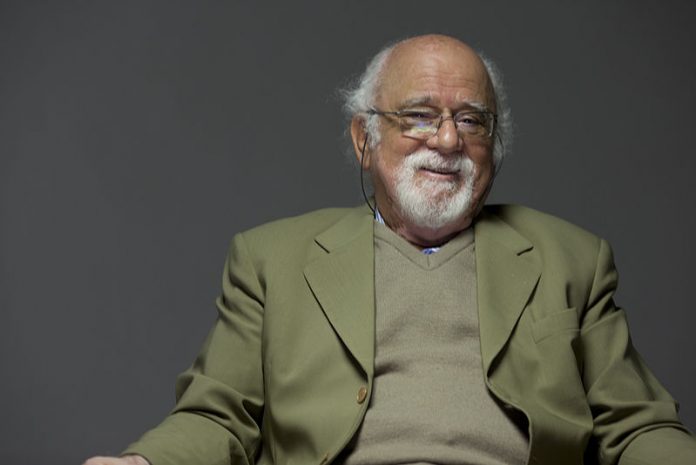
Danilo Santos de Miranda, 76, é hoje uma das figuras mais atuantes e influentes na área cultural no país. Diretor regional do Sesc-SP (Serviço Social do Comércio) há 35 anos, promoveu uma enorme expansão e qualificação do trabalho da instituição no estado de São Paulo, voltado para cultura, educação, esporte, lazer, alimentação e meio ambiente. “É isso que eu chamo, amplamente, de sociocultural, esse campo vastíssimo que torna as pessoas mais capazes de se entenderem, conhecerem a si mesmas, conhecerem o outro e conhecerem o mundo a sua volta, indispensável para uma sociedade que pretende melhorar, crescer e se desenvolver”, diz ele em entrevista à ARTE!Brasileiros.
Tamanho reconhecimento da ação do Sesc-SP, que acaba de inaugurar uma grande unidade em Guarulhos, não foi suficiente para tirá-lo da mira do governo Jair Bolsonaro (PSL), especialmente de seu ministro da Fazenda, Paulo Guedes, que afirmou que pretende “meter a faca” no Sistema S. Formado por diversas instituições – como Sesc, Sesi, Senai e Sebrae – o sistema é financiado por taxas compulsórias cobradas na folha de pagamento das empresas (em 2018 teve um orçamento de cerca de R$ 17 bilhões) e tem um controle público através do Tribunal de Contas.
Para Miranda, nunca se viu uma incompreensão tão grande da importância do trabalho do Sesc desde sua fundação, nos anos 1940. “Falta conhecimento dessa complexidade, desses 72 aos de história realizando uma ação muito efetiva pelo Brasil afora e em São Paulo de modo específico. Temos muito capital de conhecimento acumulado, muita bagagem recolhida. Não se pode vir e dizer que vai cortar aqui ou ali pura e simplesmente.”
Mais do que isso, o diretor-geral da instituição, formado em sociologia e filosofia, se diz estarrecido com a falta de percepção da importância do conhecimento, da filosofia, da ciência, da pesquisa, do estudo, das artes e da cultura. Sem isso tudo, diz ele, surge o risco de formarmos um país “supermaterializado”, onde só vale aquilo que tem resultado prático e palpável. “E isso é o início do debacle, o início do fim, porque significa ter um povo sem informação, sem conhecimento e sem participação efetiva na sua história, no conhecimento de suas raízes, suas origens, seus destinos, suas perspectivas. E sobretudo é uma ameaça do ponto de vista ético, porque a partir daí vale a lei do mais forte, a lei do mais violento. E aí vamos criar uma sociedade de brucutus, o que é muito perigoso para o país.”
Leia abaixo a íntegra da entrevista.
ARTE!Brasileiros – O Sesc acaba de abrir uma unidade em Guarulhos. Qual a importância dessa inauguração para o Sesc e para a cidade de Guarulhos?
Danilo Santos de Miranda – É muito importante para a cidade, para o Estado, enfim, para tudo o que nós fazemos. É uma realização já planejada há algum tempo, assim como outras que temos em previsão, e ela tem praticamente uma síntese da ação que o Sesc realiza. Tudo que o que fazemos está lá em Guarulhos. É uma unidade bem completa, eclética, bastante ampla, generosa do ponto de vista espacial e do ponto de vista programático. E está em uma cidade que tem a segunda maior população do Estado, depois da capital, e que estava carente de uma unidade com as características que o Sesc oferece. Então para nós é um encontro imenso de interesses. O nosso interesse em expandir a ação da instituição e o interesse enorme da cidade em ter um Sesc que pudesse atender a sua população e a das cidades próximas também. Existe ali perto uma população bastante carente, periférica, que necessita de muitas coisas que nós realizamos.
1 de 4
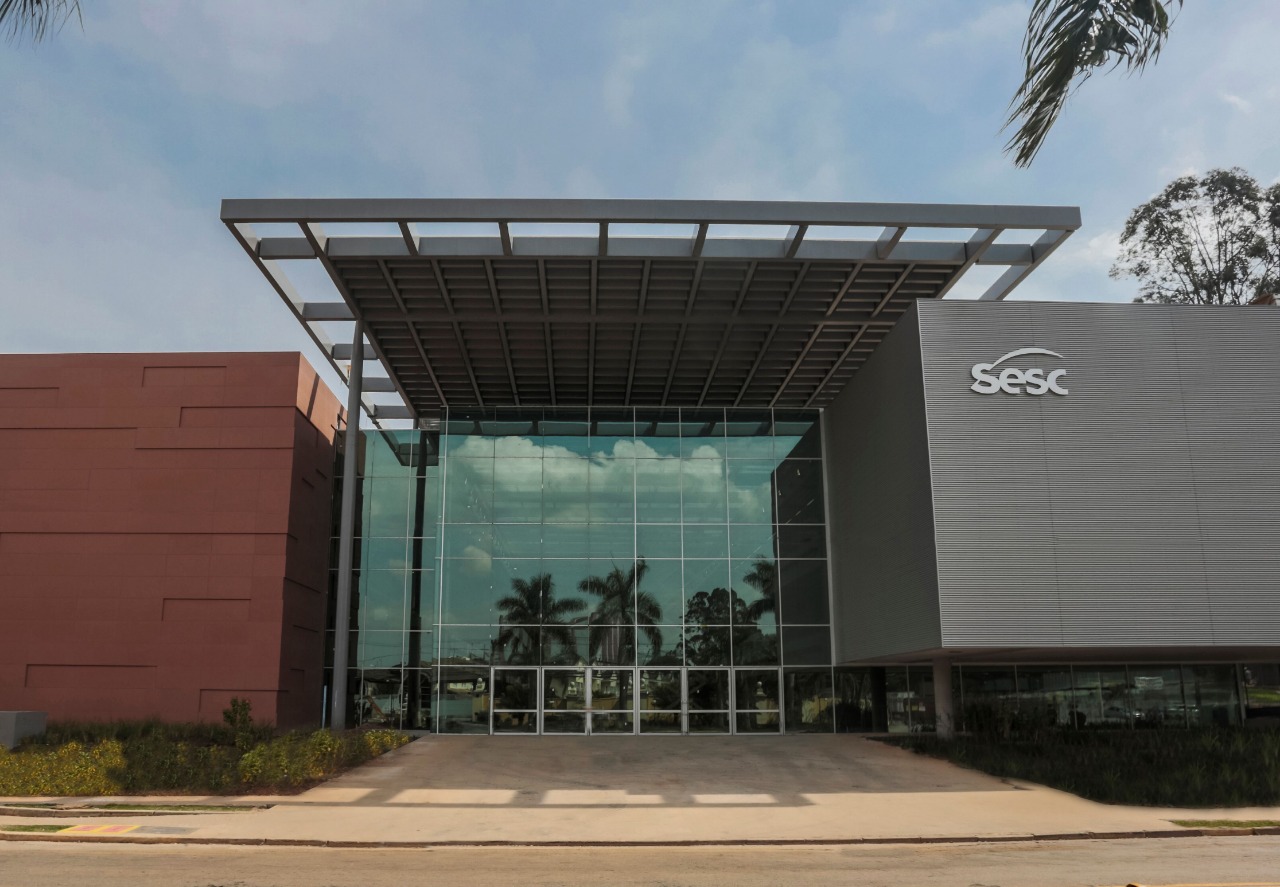
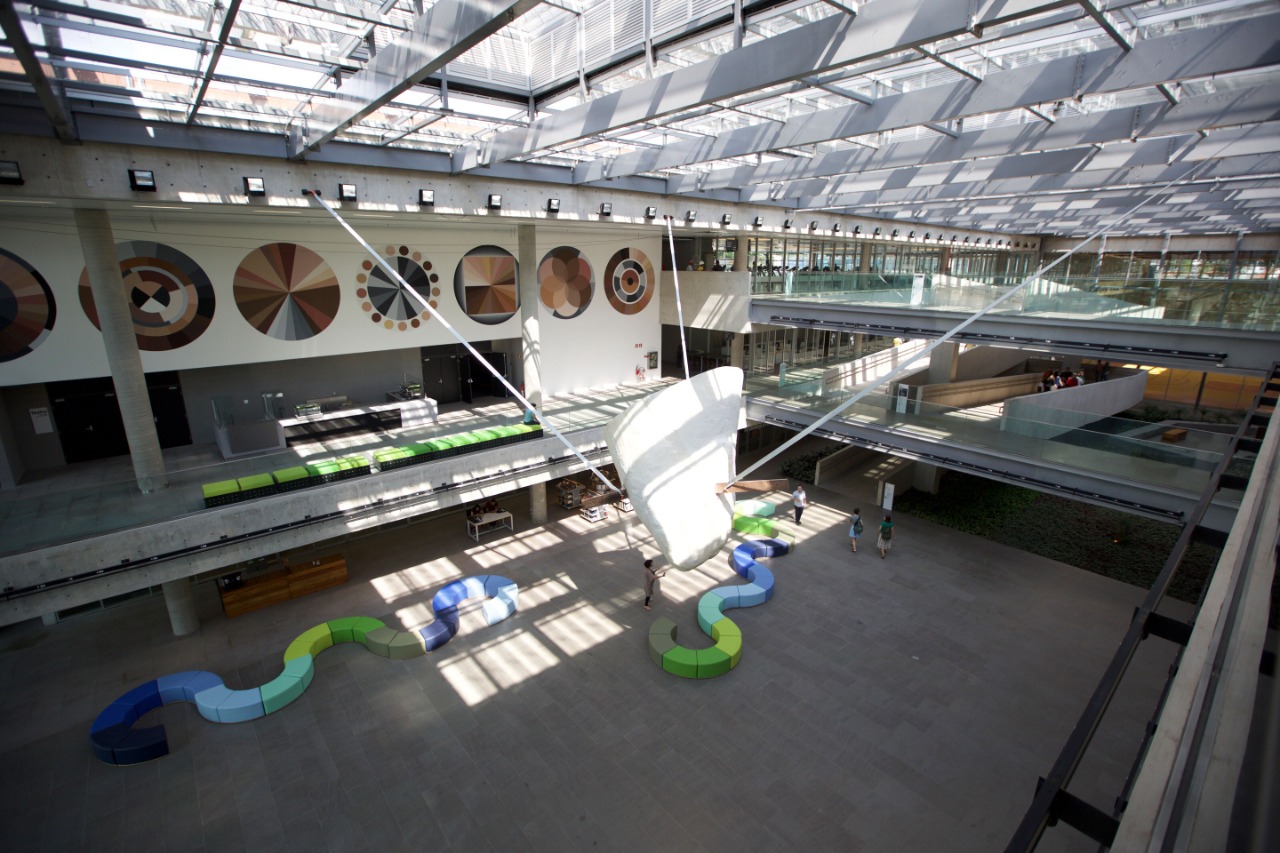
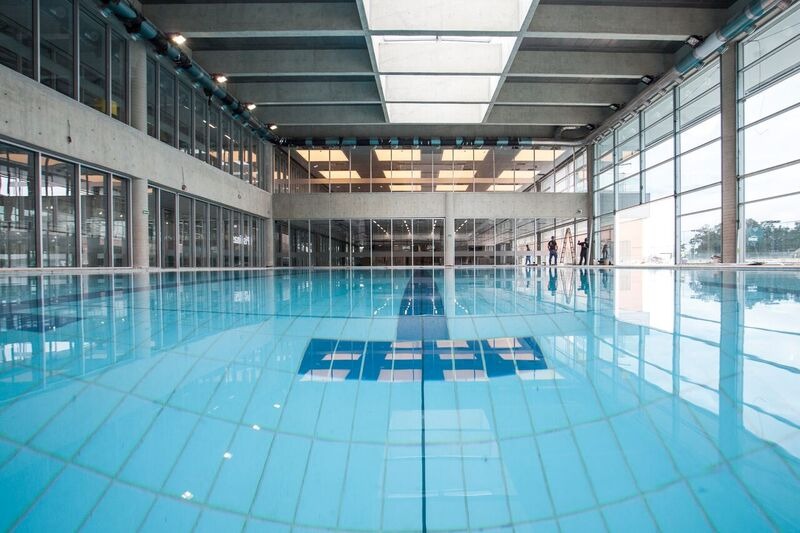
Sesc Guarulhos. FOTO: Taba Benedicto
Sesc Guarulhos. FOTO Taba Bendicto.
Sesc Guarulhos. FOTO: Adauto Perin
Sesc Guarulhos. FOTO Ricardo Ferreira
Existe nesta unidade uma pauta ambiental muito forte. É algo que o Sesc está buscando aprofundar?
Nós recebemos ali o complemento de uma área que quase dobra nosso terreno, e que é voltada para um programa amplo de educação ambiental junto às escolas do bairro e da cidade, junto à população e aos formadores de opinião. Ou seja, pensar sobre a relação com a natureza de um modo geral, pensar de maneira adequada sobre o uso dos produtos que a natureza oferece, seja para a alimentação, seja para a vivência das pessoas, para tudo que nós temos à disposição. Teremos oficinas, encontros, debates e a oportunidade até mesmo de realizar experiências com as crianças no que diz respeito à produção ligada à natureza, plantando, colhendo e realizando uma ação bastante efetiva.
Isso significa, portanto, que apesar das ameaças de cortes no Sistema S, o Sesc segue trabalhando normalmente, sem retrair sua atuação por medo do que pode vir?
Exato. Claro que nós temos uma antena muito bem ligada em tudo que está acontecendo à nossa volta. Mas é claro também que o modo mais prático e objetivo que temos é continuar trabalhando e mostrando a importância e o significado do que fazemos para a sociedade, para a população, para a melhoria de vida. Então nós tocamos esse barco com a maior naturalidade, querendo mostrar para as pessoas, sejam as que frequentam ou as que tomam decisões atualmente no país, que o que nós fazemos é indispensável, essencial para a população, para a sociedade e para o desenvolvimento do próprio país.
Isso é uma maneira, digamos, de reafirmar não a nossa importância enquanto instituição, não de dizer que a gente faz o melhor programa do mundo – não se trata de uma afirmação institucional pela vaidade, isso não nos interessa –, mas simplesmente de dizer que o campo sociocultural de modo geral, esse campo vastíssimo que torna as pessoas mais capazes de se entenderem, conhecerem a si mesmas, conhecerem o outro e conhecerem o mundo a sua volta, é indispensável para uma sociedade que se pretende melhorar, crescer e se desenvolver. Então nós temos que entender isso como algo absolutamente essencial. E a maneira que nós temos de fazer isso é continuar o nosso trabalho, levar adiante.
O Sesc, e mais especificamente o Sesc São Paulo, tem um longo e reconhecido trabalho nas áreas da Cultura e da Educação. Cultura e Educação, justamente, são áreas que parecem bastante ameaçadas nas políticas do atual governo federal. Como o senhor enxerga esse momento e quais os riscos que vê para a sociedade com as novas políticas e propostas?
Eu acho muito perigoso, sobretudo, uma manifestação que se ouve com relação ao conhecimento, à informação, à ciência, à filosofia, à sociologia, como se fossem inimigos de um país que pretende se desenvolver, crescer e melhorar para todos. E também contra as artes e as manifestações do simbólico de modo geral, como se fossem coisas supérfluas, desnecessárias, desimportantes. Esse campo todo que eu chamo, muito vastamente e amplamente, de campo do sociocultural, seja do conhecimento ou seja das práticas, é vital e essencial. Eu espero que percebam cada vez mais e melhor como é perigosa essa afirmação de que o conhecimento, a filosofia, a ciência, a pesquisa, o estudo, as artes e a cultura não são importantes. Isso é muito perigoso e significa a formação de um país supermaterializado, onde só vale aquilo que tem resultado prático e palpável. E isso é o início do debacle, o início do fim, porque isso significa ter um povo sem informação, sem conhecimento e sem participação efetiva na sua história, no conhecimento de suas raízes, suas origens, seus destinos, suas perspectivas. E sobretudo é uma ameaça do ponto de vista ético, porque a partir daí vale a lei do mais forte, a lei do mais violento. E aí vamos criar uma sociedade de brucutus, o que é muito perigoso para o país.
Nesse sentido, como o senhor mesmo disse em entrevista recente à Folha de S.Paulo, existe um discurso de que as instituições do Sistema S deveriam focar principalmente na formação de profissionais, no que o senhor chamou de uma “perspectiva economicista precária”. Poderia explicar melhor o que quis dizer?
Existem dentro do chamado Sistema S as instituições vocacionadas para a formação profissional, que são necessárias e importantes desde os anos 1940, que foram criadas com essa perspectiva. Mas existem também dentro do Sistema S outras instituições que não são para isso, que trabalham na perspectiva do bem-estar, do lazer, da cultura, do esporte inclusivo e democrático – o esporte não competitivo, mas que inclusive abriu caminho para muitos atletas profissionais, como o Pelé, por exemplo. Isso tudo faz parte da nossa proposta como algo inerente ao nosso dia a dia. E uma coisa que eu acho fundamental, e digo sem querer gerar polêmica, é que, se conhecerem mais profundamente o nosso trabalho, se mergulharem efetivamente no que nós fazemos, do ponto de vista educativo, eles vão provavelmente não só respeitar e considerar os recursos que temos como adequados, ou irão até mesmo pensar em destinar mais recursos para que isso possa ser feito. Porque essa é, do nosso ponto de vista, a grande formação do povo, de uma maneira mais integral, mais plena, onde todos os aspectos do ser humano são levadas em conta. E aí não estou falando só da cultura e da educação, mas das atividades físicas, da alimentação, da saúde de modo geral, da questão ambiental, da nossa relação conosco mesmo, com o outro e com a sociedade à nossa volta. Tudo isso é essência do processo educativo, que nós procuramos fazer da maneira mais completa possível.
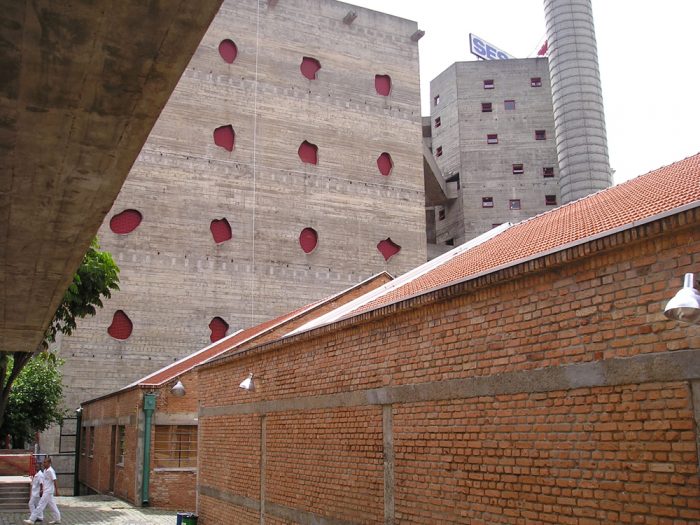
O Sesc Pompeia, projetado por Lina Bo Bardi e inaugurado em 1982. FOTO: Divulgação
A pluralidade de opiniões e de manifestações artísticas, o respeito à diversidade e o espaço para debates e discordâncias são marcas das atividades do Sesc. Você diria que essa é uma característica que incomoda alguns de nossos governantes, que parecem ter pouco apreço pela pluralidade e pelo debate?
Pode ser que sim. A diversidade é essencial em uma sociedade plural como a nossa. Em qualquer sociedade, eu diria. E, nesse sentido, contemplar as diversas linguagens e todas as questões que dizem respeito à diversidade – no tocante a raça, cor, religião, opção sexual, ao modo de enxergar as coisas, às visões sobre nossa história e política –, tudo isso é indispensável. E essa variedade é, sem dúvida, parte do DNA de origem do Sesc. Então a diversidade está na nossa essência, no nosso dia a dia.
Por um lado, o senhor fala de uma incompreensão do trabalho que é feito pelas instituições do Sistema S, do papel da arte e da cultura. Mas existe também uma percepção, por parte de muitos membros deste governo, de que as áreas culturais e as universidades seriam os nichos da esquerda, espaços de doutrinação, num discurso que cita um suposto “marxismo cultural”. Isso não significa que, mais do que uma incompreensão, existe mesmo uma escolha clara de um inimigo a ser combatido, digamos assim?
É verdade. E não classifica-se apenas genericamente as universidades e entidades, mas especificamente professores, artistas e intelectuais. Porque essas pessoas comprometidas com a análise social, com a visão ampla da sociedade em todos os sentidos, o artista que tem essa vocação não apenas de criar o encanto, o encantamento, mas também de apontar as questões e trazer à baila discussões sobre temas bastante polêmicos, fazem isso com a intenção de melhorar a sociedade. Partem do princípio de que a sociedade necessita evolução. Nós temos um grande, imenso e gravíssimo problema no país chamado desigualdade. Isso não precisa ser de direita, esquerda ou centro. É uma constatação objetiva, direta, está aí. Então qualquer pessoa com alguma sensibilidade, com algum conhecimento, com algum esforço, ao perceber isso, se torna uma pessoa com atitudes, opiniões e manifestações que são coerentes com esse ponto de vista. É natural, normal. Se de repente alguém considera isso uma posição contra o estado ou uma posição necessariamente esquerdista, isso é uma precipitação sem sentido.
Trata-se de uma evolução natural de qualquer sociedade, não da nossa. O pensamento sobre a necessidade da igualdade como patamar para uma vida melhor para todos é uma coisa natural. Isso é comunismo? Isso é marxismo? É exigir que todo mundo seja igual? Não, isso é a gente desejar que a sociedade seja melhor para todos, não apenas para alguns. Então nesse sentido existe uma atitude, no meio cultural, de apontar, contestar, polemizar e até mesmo transgredir. E estou falando aqui de transgredir do ponto de vista estético, não do ponto de vista legal e moral. As coisas mudam. O que seria da arte contemporânea se o Picasso em um determinado momento não tivesse rompido com os padrões da época e transformado sua arte em algo absolutamente revolucionário? E hoje, inclusive, ele já é visto como um homem do passado… Então do ponto de vista do pensamento de modo geral, da estética, existe uma evolução natural. Ou quem lida por exemplo com a discussão sobre gênero, que é um entendimento muito mais atual, presente e necessário – inclusive agora com a criminalização da homofobia.
Enfim, o que eu quero dizer é que trata-se de algo que a sociedade naturalmente evolui. Não adianta se colocar contra determinadas ações que vêm da sociedade, porque elas naturalmente se impõem, vão mais longe. Mesmo que não haja nenhum apoio ao mundo da cultura, aos artistas, que cortem a Lei Rouanet, mesmo que tudo seja vetado, não vai acabar com a cultura do país. Porque ela é natural, vem de qualquer jeito, vem como uma enxurrada em cima daqueles que eventualmente achem que isso não tem a menor importância. E provavelmente são aquelas pessoas que são contra a cultura e quando pegam o carro a primeira coisa que fazem é ligar o rádio para ouvir uma música. É natural, estão consumindo cultura o tempo todo, falando uma língua, usando uma roupa, se alimentando de um determinado jeito… e não percebem que estão consumindo cultura todo o tempo.
Estávamos falando mais dos possíveis cortes no Sistema S, mas o senhor falou agora também da reformulação na Lei rouanet. Houve ainda a retirada de patrocínios para projetos culturais por parte de empresas públicas e outras iniciativas nessa linha…
É lamentável. E inevitavelmente a sociedade reagirá de uma forma ou de outra.
Para o ex-ministro da cultura Juca Ferreira, hoje em dia quem trabalha com cultura está com medo, acuado. Você percebe este clima?
Noto manifestações das mais variadas. Noto que há um temor, já com as muitas dificuldades e impactos concretos. Isso gera um clima de bastante insatisfação. No meu contato com as universidades, do mesmo modo, percebo esse medo. Por outro lado posso dizer que vejo alguns sinais de boa vontade. Tive contato com algumas pessoas no próprio governo, na Secretaria de Cultura do Ministério da Cidadania, que estão atentas e bem-informadas, buscando caminhos para a superação dos problemas. Então há uma certa contradição no todo, mas talvez tenhamos algum caminho para encontrar saídas no futuro.
Nesse sentido mais propositivo, de buscar caminhos, como o senhor pensa que pode haver uma resistência à essas ameaças às áreas da Cultura, da Educação e ao Sistema S. É preciso vir à público, se unir, se manifestar?
A primeira coisa que eu acho é que é preciso se manifestar. Eu tenho vindo à público quando posso, como responsável por uma instituição que pertence a esse “grupo dos S”. Acho que temos que falar, discutir. No nosso caso, apesar de discussões em andamento no governo, ainda não houve uma atitude efetiva de corte, um decreto, uma lei, uma proposta…
É mais um discurso do que uma prática?
Sim. E se isso vier a virar prática eu acredito que haverá uma natural reação – não estou pregando nada, mas observo de fora – de muita gente. E essa reação poderá desdobrar dentro do parlamento, da Justiça, de todas as instâncias que o país tiver, para poder esclarecer, aprofundar e tomar as decisões da maneira mais correta possível. Porque existe uma questão programática, ou seja, da importância das ações dessas instituições, mas além disso elas tem um arcabouço legal muito sólido, que não é tão fácil de retirar como se elas fossem parte do Estado, porque não são. Na realidade falta conhecimento dessa complexidade, 72 aos de história realizando uma ação muito efetiva pelo brasil afora e em SP de modo especial. Então isso tem muito capital de conhecimento acumulado, muita bagagem recolhida, então não se pode vir dizer que vai cortar aqui ou ali pura e simplesmente.
Nos últimos anos não foram poucas as exposições que apresentaram a obra de Gilvan Samico (1928-2013). Especialmente após sua morte, mostras dentro e fora do país, individuais ou coletivas – como a 32ª Bienal de São Paulo – ajudaram a difundir ainda mais o trabalho do célebre gravurista pernambucano. “Acho que antes ele era tratado principalmente como um artista regional e, com os anos, ganhou o status de um artista maior, nacional”, afirma o curador Ivo Mesquita.
O aumento no número de mostras sobre Samico não diminui, no entanto, a relevância da exposição apresentada a partir deste 28 de maio na Galeria Estação, em São Paulo, com curadoria de Mesquita e a presença de 31 gravuras do artista (26 já adquiridas pela Fundação Marcos Amaro para o acervo da FAMA). Não apenas pela quantidade expressiva de obras reunidas, mas por dar conta de diferentes fases da produção do pernambucano, num panorama que faz da exposição, segundo o curador, “quase uma retrospectiva”.
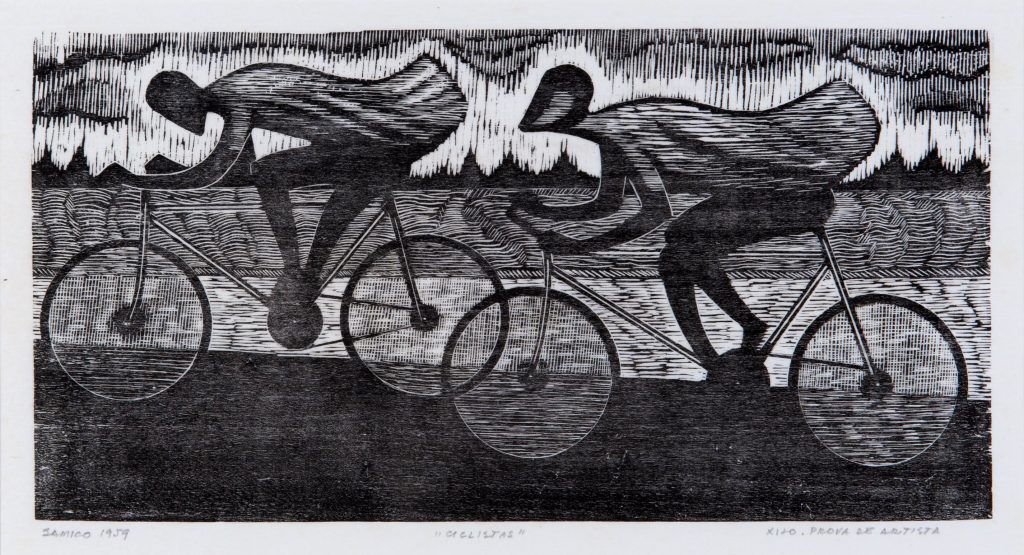
“Ciclistas”, de 1959.
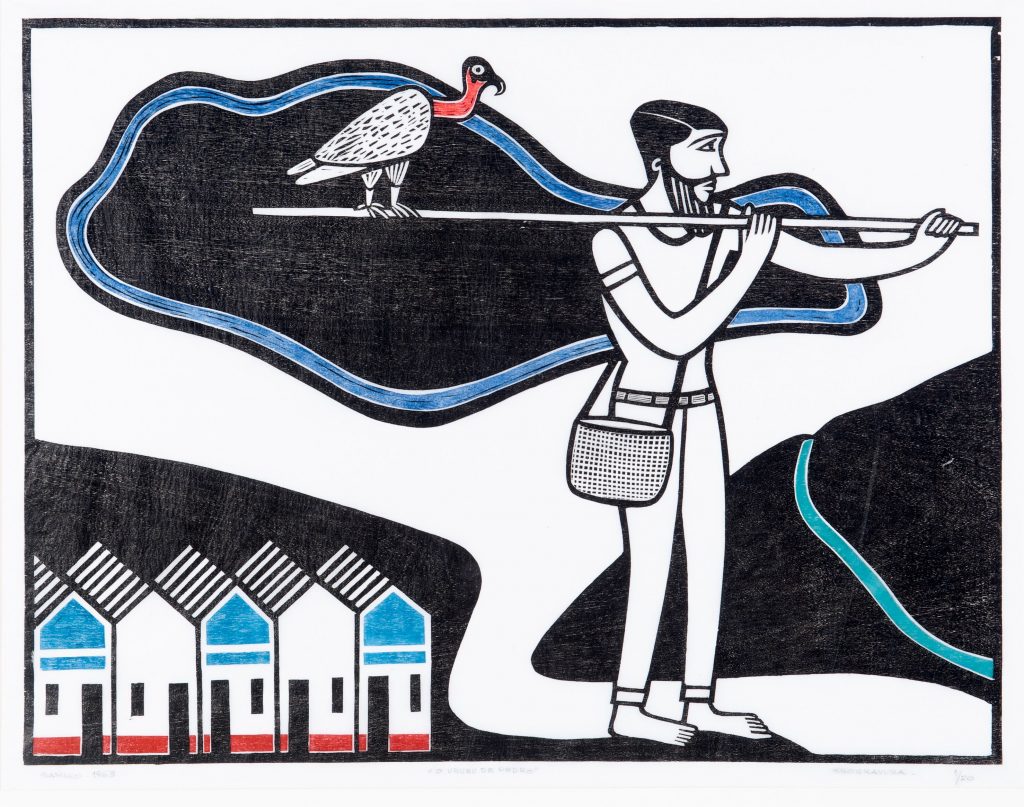
Estão ali obras das três principais fases em que se costuma dividir a produção de Samico. Primeiro, gravuras em preto e branco dos anos 1958 e 1959, período em que o artista estudou com Lívio Abramo, em São Paulo, e Oswaldo Goeldi, no Rio. “Nesta etapa é interessante ver que, ainda que tenha dois mestres figurativos e faça uma gravura mais figurativa, ele já revela um pensamento abstrato na criação de sua obra. Na estruturação da composição, por exemplo, há sempre um jogo muito particular de formas e uma textura bastante elaborada na exploração da madeira”, diz Mesquita.
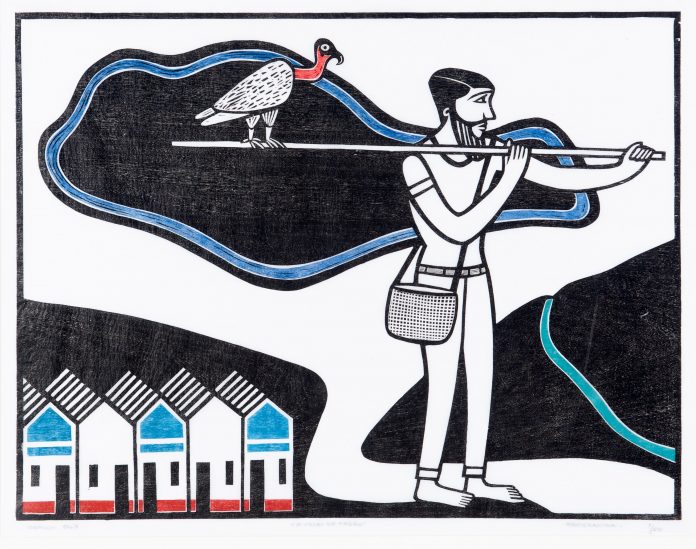
Na segunda fase, durante os anos 1960, Samico aproxima-se do universo do cordel e das tradições populares nordestinas. O branco passa a predominar sobre o preto, e outras cores aparecem sobriamente – “possivelmente um aprendizado que teve com Goeldi” –, enquanto os gestos no talho da madeira tornam-se mais profundos e econômicos. “Há um processo de simplificação na construção das figuras, dos animais, das paisagens”, explica Mesquita. “As obras vão ganhando uma qualidade mais gráfica, mais rude, digamos, próximas de um procedimento que vem da xilogravura e que tem a ver com a matriz de madeira da literatura de cordel”, explica.
“O Urubu de Pedro”, 1963.
É também o período em que Samico constitui seu repertório amplo de referências, o qual transita não só pelo universo vernacular e do cordel, mas também por temas bíblicos, mitológicos e, segundo Mesquita, até mesmo do tarô. Imagens fantásticas ou do mundo terreno, dragões, serpentes e outros animais, estrelas, luas, humanos, anjos ou seres híbridos passam a criar narrativas e povoar as gravuras do artista – até o fim de sua vida.
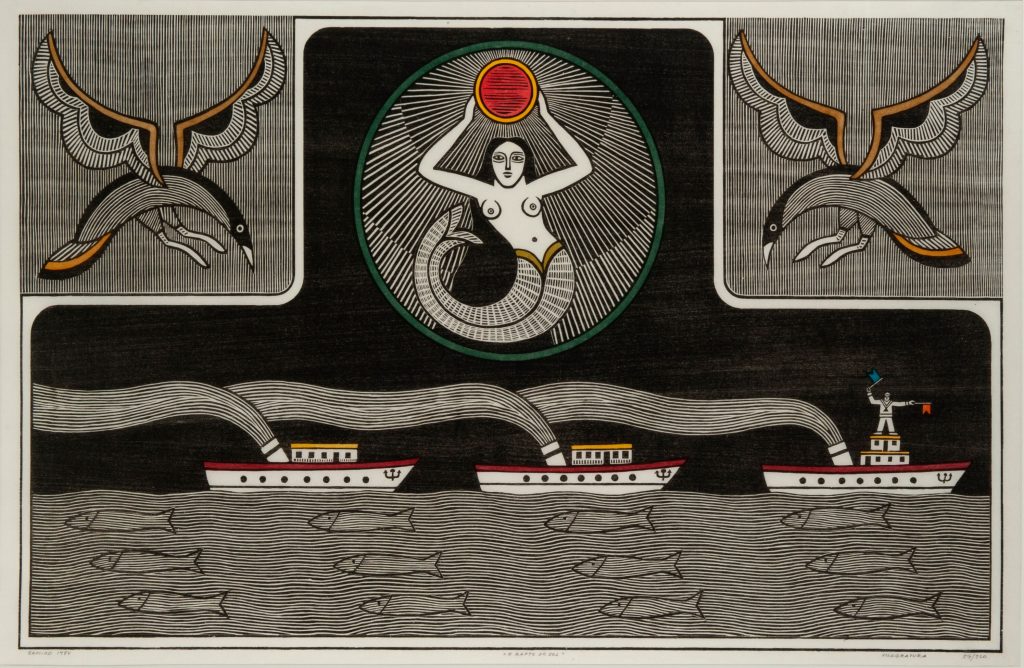
É a partir do final dos anos 1960 e principalmente na década seguinte, quando cria um diálogo estreito com o Movimento Armorial capitaneado por Ariano Suassuna – que prega a valorização da cultura nordestina –, que Samico desenvolve o que Mesquita chama de “o estilo Samico”. Ou seja, o estilo pessoal pelo qual ficou mais conhecido e que marcou sua obra daí para a frente, no qual um pensamento geométrico resulta em composições articuladas, hierarquizadas e muitas vezes simétricas, com imagens emblemáticas e simbólicas de forte apelo ótico.
“As pessoas identificam aquelas figuras, animais, plantas, mas ao mesmo tempo tem uma coisa que eu acho que capta o olhar, que é a coisa da simetria. A repetição, a combinação dos elementos são muito intrigantes. E a predominância do branco e preto tem um apelo muito forte.”
“O Rapto do “Sol”, 1984.
De 1977 até sua morte, Samico estabeleceu um padrão claro de trabalho, adotando um tamanho padrão de matriz e produzindo apenas uma gravura por ano. No que Mesquita chama de “espirito calvinista”, o artista passava meses estudando e criando, disciplinadamente, cada detalhe das obras, até chegar ao desenho final. A perfeição e exatidão de cada traço, a limpeza de cada corte, segundo o curador, era o resultado desse longo processo, de um árduo percurso.
“Cada elemento, cada figura, um animal, uma tartaruga, uma estrela, um dragão… Tudo é objeto de dezenas de desenhos e estudos”. Se Samico era uma figura muito discreta e reservada, que preferia ficar em sua casa em Olinda do que circular e fazer viagens para divulgar seu trabalho, talvez isso não fosse à toa: “Ele tinha que fazer muitos e muitos desenhos para resolver cada tartaruga”, brinca Mesquita.
SAMICO
Galeria Estação – Rua Ferreira de Araújo, 625 – Pinheiros
Obras da exposição "Cura Bra Cura Te" de Ernesto Neto
Foto: Levi Fanan
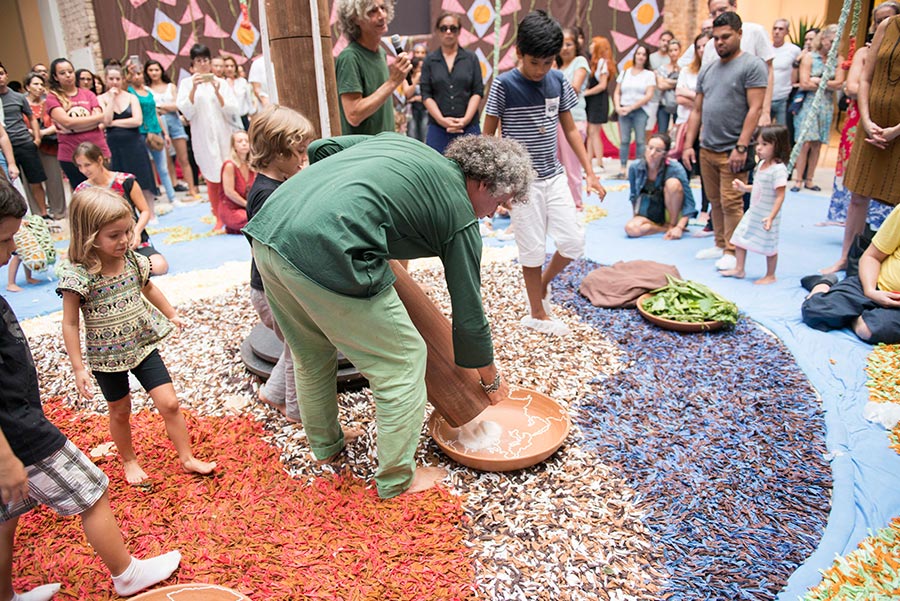
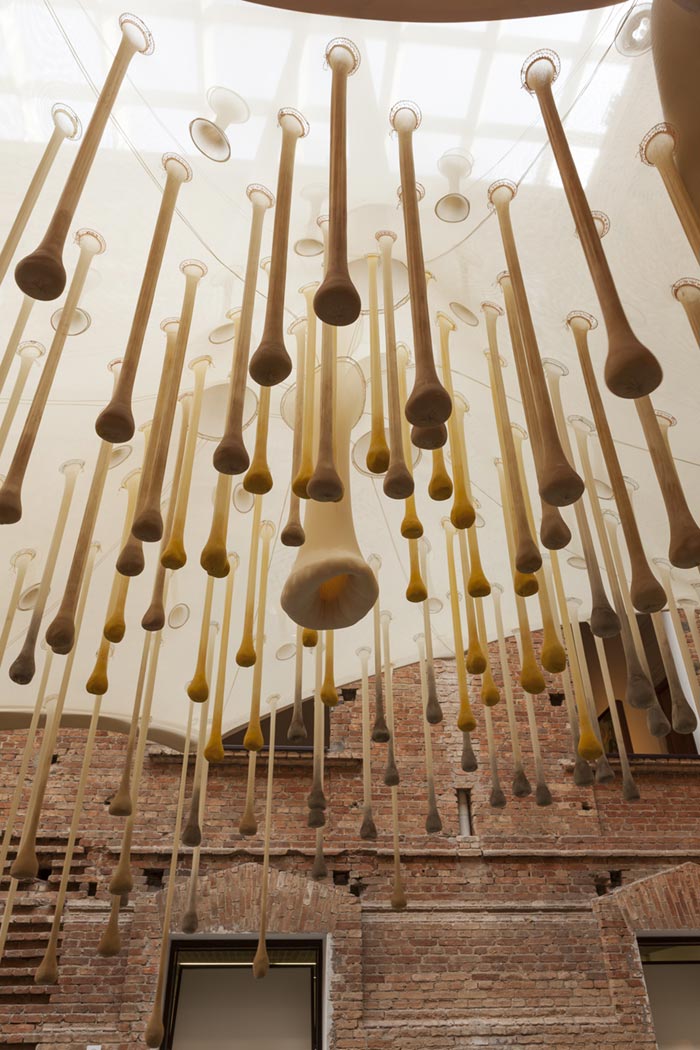
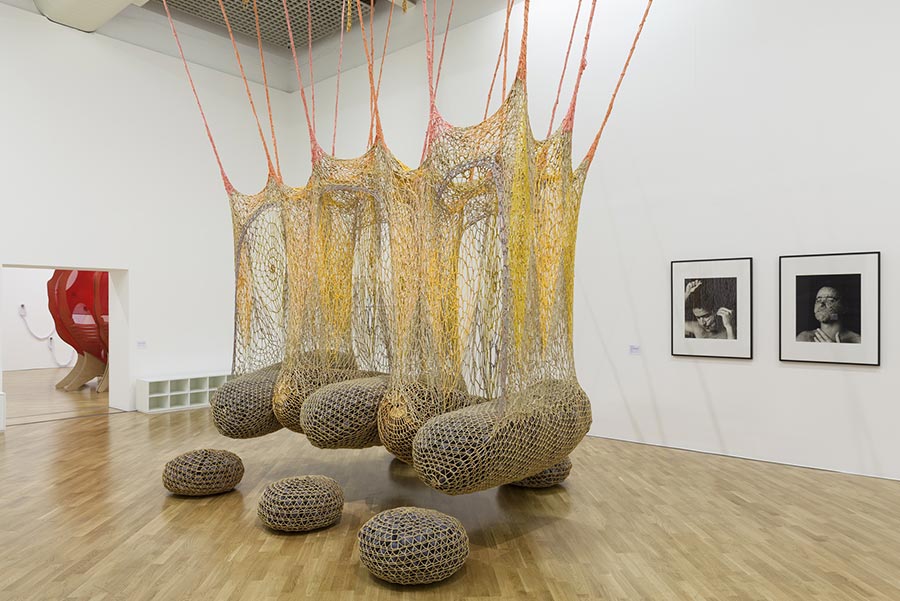
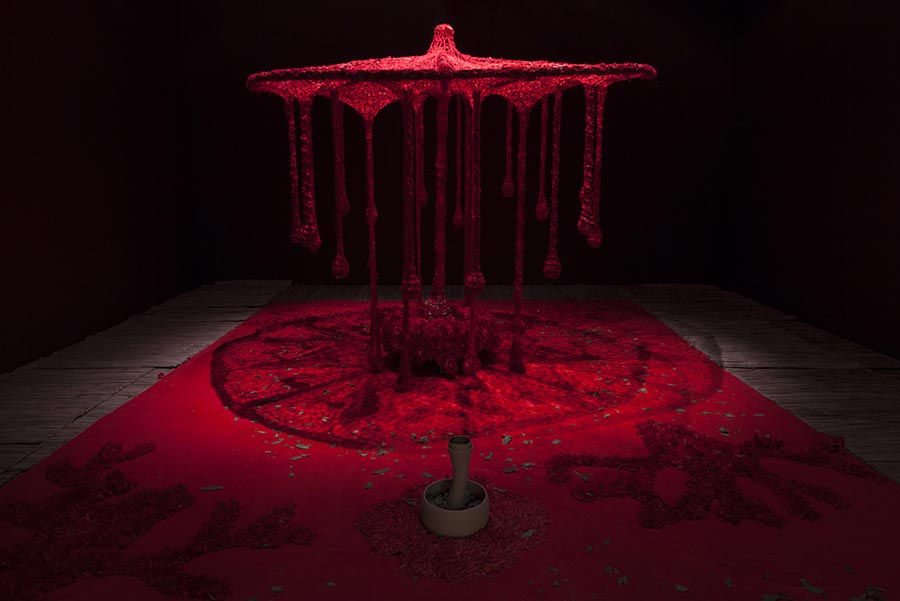
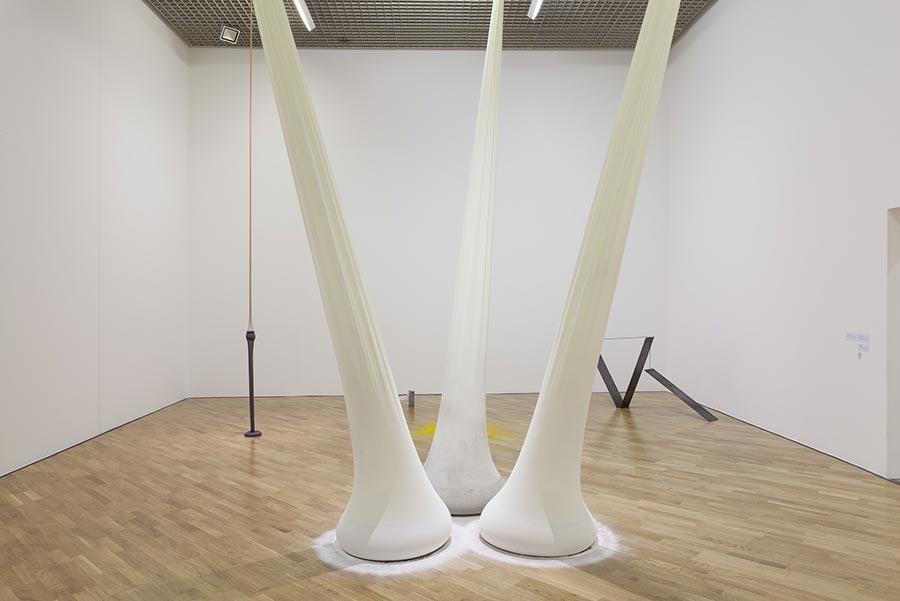
Poucos artistas conseguem atualizar a radicalidade da produção artística brasileira, onde o corpo fazia parte da obra, nos anos 1960 e 1970, como Ernesto Neto. É o que se pode comprovar na mostra Sopro, em cartaz na Pinacoteca do Estado até 15 de julho. Em suas obras e de forma original, Neto consegue reunir tanto as propostas de vivências coletivas de Hélio Oiticica (1937 – 1990) em seus Penetráveis, quando buscava criar espaços de convivência, quanto às ativações do corpo por meio de experiências com diferentes materiais, como propunha Lygia Clark (1920 – 1988) em seus Objetos Relacionais.
Contudo, enquanto há 50 anos essas práticas buscavam reformular as bases da arte, Neto, já livre deste fardo, vem trabalhando em uma agenda mais atual e necessária: um “projeto de indigenização da vida”, na definição de Els Lagrou, antropóloga e professora da UFRJ, no catálogo da mostra.
1 de 3
Obras da exposição "Cura Bra Cura Te" de Ernesto Neto
Foto: Levi Fanan
Ernesto Neto "Cura Bra Cura Te"
Obras da exposição "Cura Bra Cura Te" de Ernesto Neto
Foto: Levi Fanan
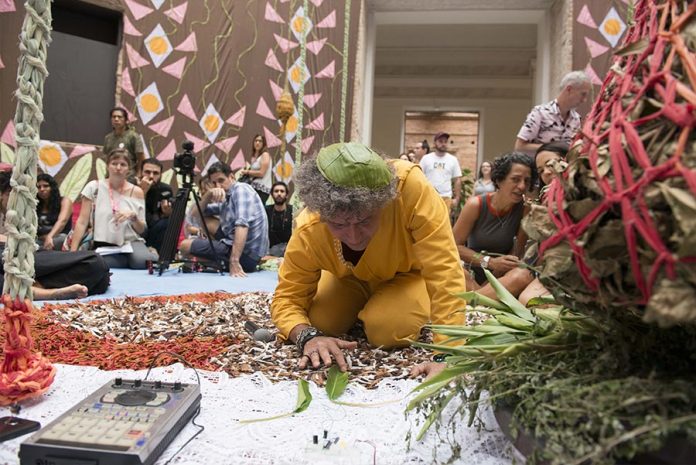
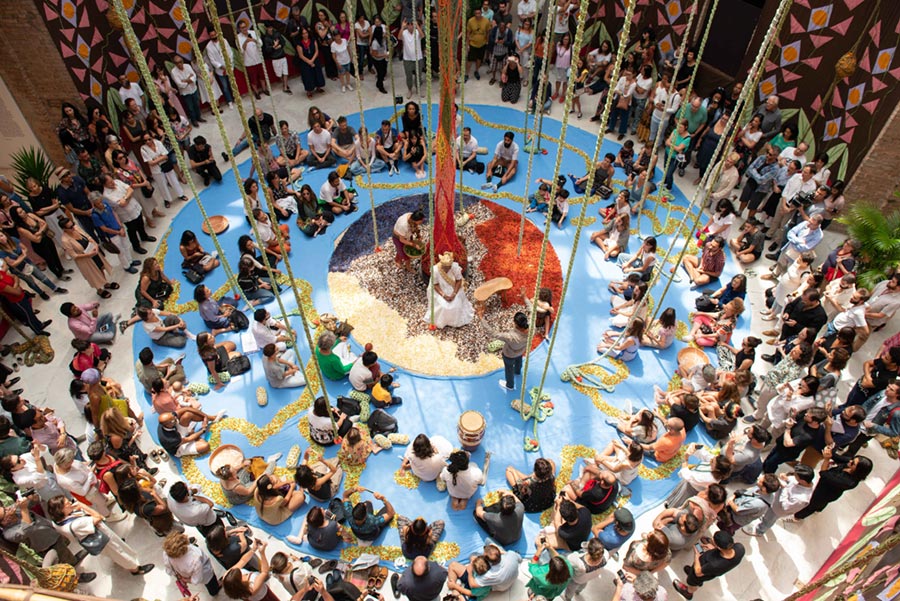
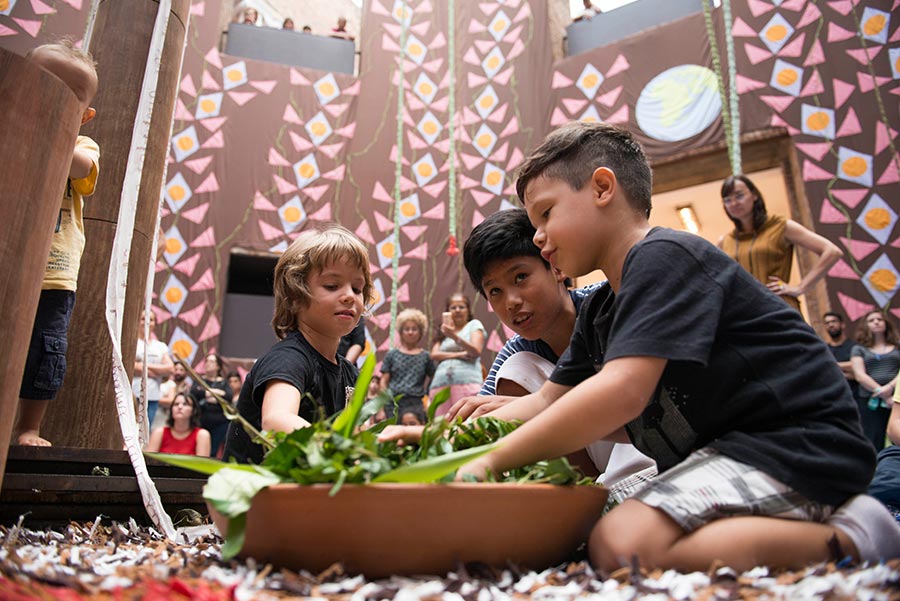
Na Pinacoteca, essa prática se consubstancia na instalação do octógono, que acolhe cinco ativações participativas abertos ao público ao longo do período expositivo. As próximas ocorrem no próximo sábado, dia 1 de junho, e depois nos dias 29 de junho e 13 de julho.
A relação do artista com a questão indígena vem sendo tema de debates, nos últimos anos, especialmente quando de sua participação na Bienal de Veneza, há dois anos. As polêmicas se resumem na questão: Qual a legitimidade de um artista branco apropriar-se do discurso de outras povos e culturas? Entender o lugar de fala é, atualmente, um dos desafios de qualquer tipo de discurso que busca “representar” o outro. Sem dúvida é um tanto estranho quando artistas se autorretratam como índios e vendem ou expõem essas pinturas sem qualquer compromisso maior com a questão. Estamos aí no terreno da mera representação, e foi exatamente contra esse tipo de postura que Oiticica e Clark se rebelaram.
Desde 2013, contudo, Neto tem se envolvido com o povo huni kuin, no Acre, de forma engajada, participando de seus rituais e os incorporando a suas mostras, no Brasil e no exterior, como ocorreu em Veneza.
1 de 4
Obra "Sopro" de Ernesto Neto
Obra "Sopro" de Ernesto Neto
Obra "Sopro" de Ernesto Neto
Obra "Sopro" de Ernesto Neto
Na Pinacoteca, essa participação ocorre no octógono, nas ativações em torno de um grande tronco “que precisa ser curado” e, para tanto, vai sendo engolido por um imenso pingente.
“Somos filhos de três continentes, mas sabemos de um, só nos ensinam um, só valorizamos um”, escreve Neto nas paredes da mostra, explicitando o deslumbre com a cultura europeia dos “toscos brasileiros”, como brilhantemente definiu Christian Dunker em texto para ARTE!Brasileiros.
“Somos filhos de três continentes, mas sabemos de um, só nos ensinam um, só valorizamos um”, escreve Neto nas paredes da mostra
“Chegou a hora de ouvir a espiritualidade de nossa terra, de nossas plantas, rios e árvores, chegou a vez de ouvir”, defende o artista. É aqui que se explicita o tal projeto de indigenização, já que os chamados povos das florestas buscam a qualidade intrinsicamente relacional de todo ser, humano e não humano, o que Lagrou define como “estética relacional ameríndia”.
“Chegou a hora de ouvir pajés, babalorixás, yalorixas”, prega Neto, e a programação das ativações abrange essas vozes silenciadas na história do Brasil, mas que nas últimas décadas vem conquistando espaço. Estarem agora na Pinacoteca é não só uma proposição do artista, mas consequência da luta que esses povos vêm empreitando. Sopro, no entanto, vai muito além do octógono e, nos diversos espaços onde ela ocorre, revela-se como faz sentido na carreira de Neto a poética que ele defende agora.
Essa sintonia com uma cosmogonia indigenista, onde humano e não humano são vistos como parte de um todo, afinal é central em suas diversas instalações, que pedem a presença do outro, que contaminam o ambiente com odores, que propiciam o encontro, que tocam, acariciam e envolvem.
O plasticismo que se vê nas obras dos anos dos anos 1980 à primeira década do século 21 é deslumbrante: nas formas, nos materiais, nos volumes e nas dimensões. Há uma estruturação orgânica em sua linguagem confortável a todos sentidos, o que é até raro em arte contemporânea. Mas a potência máxima chega agora nesse “projeto indigenista”, politizando de vez o que era discreto, e transformando Ernesto Neto em uma espécie de xamã nos tempos da cólera.
Ernesto Neto: Sopro Pinacoteca de São Paulo – Praça da Luz, 2, São Paulo 30 de março a 15 de julho