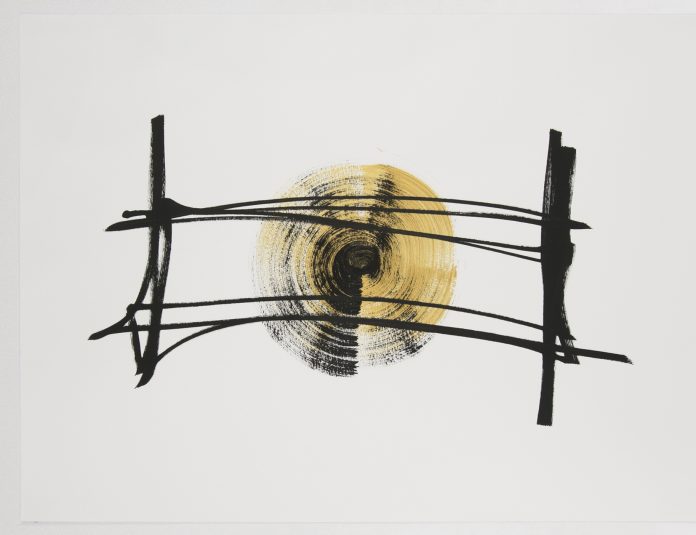
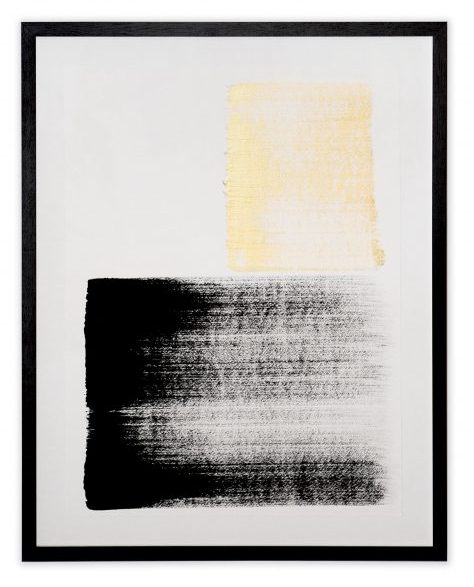
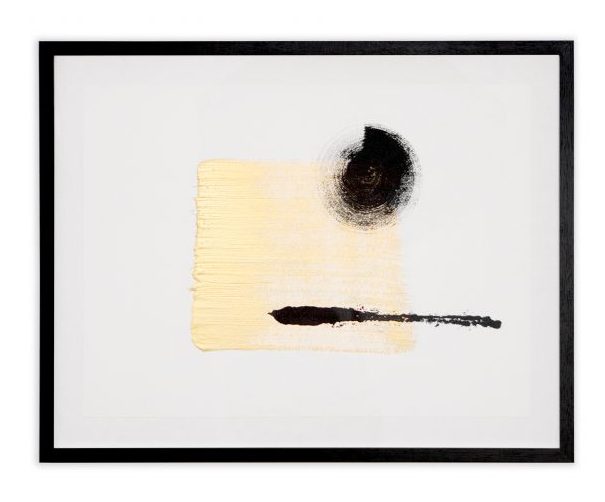
Engana-se quem pensa que a exposição Divina Geometria, de Oskar Metsavaht, originalmente apresentada no Rio de Janeiro em 2016, fala apenas sobre o Cristo Redentor. É verdade que o “conceito” de uma geometria divina incendiou a mente de Metsavaht após uma experiência na qual pode observar a capital fluminense diretamente do braço do monumento que é uma das sete maravilhas do mundo moderno. No entanto, não é apenas a essa imagem que a mostra que está até 1o de setembro no Museu de Arte Sacra de São Paulo (MAS-SP) se resume.
Na versão paulistana de Divina Geometria, o artista e o curador Marc Pottier levam trabalhos que não estiveram expostos anteriormente na mostra, sejam vídeos, pinturas ou desenhos. Ocupando várias salas do museu com dezenas de obras, a vinda da mostra foi um convite do diretor-executivo da instituição, José Carlos Marçal de Barros.
Também não é certo dizer que Oskar começou a desenvolver seus projetos artísticos apenas após uma residência no Instituto Inhotim em 2014. Prova disso é a instalação em videoarte que abre a exposição. A obra é de 2008, muito anterior. E isso vale para tantos outros trabalhos do artista, que não necessariamente integram essa exposição. Mas foi no próprio 2014 que o artista passou a expor mais seu lado voltado às artes plásticas, integrando a exposição Made by… Feito por…, que teve curadoria do mesmo Pottier na Cidade Matarazzo, em São Paulo.
1 de 3
Obra "Divina Geometria IV"
Obra "Divina Geometria VII"
o
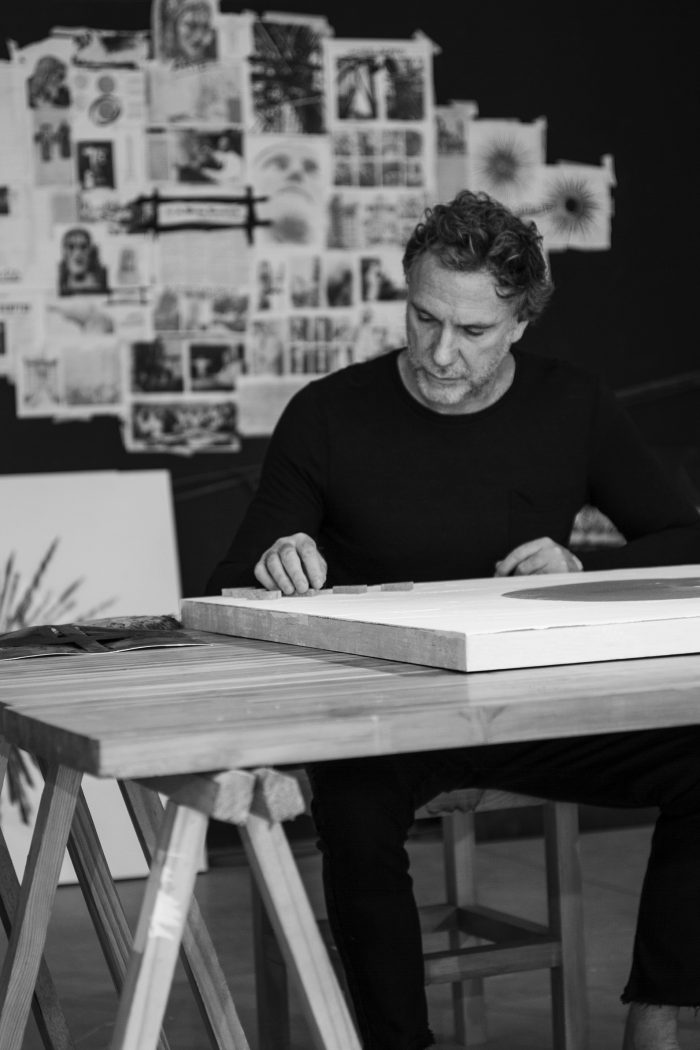
Oskar em seu estúdio, OM.at, trabalhando nas obras da exposição
Vindo de várias outras exposições ao longo dos últimos dois anos e tendo aberto a galeria OM.art no Rio de Janeiro no ano passado, onde também funciona o seu estúdio, Metsavaht traz na exposição em São Paulo uma versão amadurecida de suas criações, o que é especialmente salientado pelo grupo de pinturas abstratas distribuídas de maneira metódica pelas paredes do MAS.
O conjunto de seus trabalhos — que, de acordo com o próprio, é sempre fruto suas “experiências físicas, emocionais ou espirituais” nas quais ele se aproxima da relação homem-natureza-espiritualidade — ganha com isso elementos que despertam uma curiosidade que se sobressai por evocar tantas significações por meio de símbolos que se camuflam em pinceladas.
Essa sensação é propiciada pela montagem da mostra que vai, ao longo das salas, desconstruindo a imagem do Cristo e se deslocando para códigos que demonstram a espiritualidade assimilada pelo artista independente de religiões, crenças ou dogmas, tornando possível uma experiência coletiva e possível.
Oskar Metsavaht: Divina Geometria Museu de Arte Sacra de São Paulo: Av. Tiradentes, 676, São Paulo
até 1 de setembro
(11) 3326-3336
Ter a Sex/Dom: R$ 6 | Sáb: Gratuito
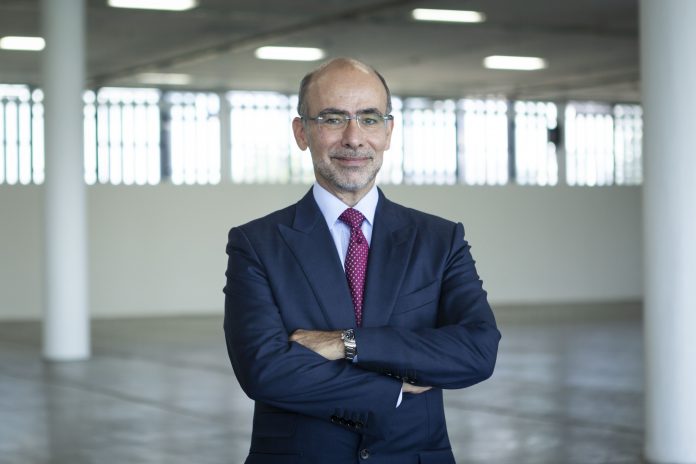
José Olympio da Veiga Pereira, presidente da Fundação Bienal de São Paulo. Foto: Pedro Ivo Trasferetti/Fundação Bienal de São Paulo
É em torno das ideias de diálogo e convivência que o atual presidente da Fundação Bienal de São Paulo, o banqueiro e colecionador José Olympio da Veiga Pereira, pensa o projeto curatorial da 34a edição do evento paulistano, a ser realizada em 2020. Se o momento político brasileiro é conturbado e de “fervura alta”, inclusive no campo cultural, não é hora de incentivar maiores polarizações e confrontos, diz ele. “A gente tem que ser capaz de dialogar, mesmo que não concorde com a ideia do outro”.
Com curadoria de Jacopo Crivelli Visconti, a Bienal tem como proposta “abraçar a cidade”, se espalhando no tempo – ao longo de todo o ano com exposições e performances – e no espaço – incluindo diferentes instituições da capital para além do Pavilhão do Ibirapuera. Essa escolha, afirma Olympio, segue também a linha de reforçar relações, criar conversas e incentivar diálogos.
Ao contrário de grande parte das pessoas que trabalham hoje na área cultural – que propõem um discurso de resistência e combate –, ele prefere adotar um discurso conciliador. “Tomar lado é a antítese do que estamos propondo. O que a gente está propondo é que os diferentes lados tem que ser capazes de se relacionar”, afirma Olympio, que é também conselheiro do MAM-Rio, do MASP, do MoMA (Nova York), da Tate Modern (Londres) e da Fondation Cartier (Paris).
Além disso, ele ressalta que considera tanto o ministro da Cidadania de Bolsonaro, Osmar Terra, quanto seu secretário de Cultura, Henrique Pires, “pessoas competentes, sensíveis e bem intencionadas em seus trabalhos”. Afirma, ainda, que se de um lado o presidente dá declarações polêmicas, de outro o congresso deu um exemplo de capacidade de diálogo ao aprovar a reforma da Previdência.
Em entrevista à ARTE!Brasileiros realizada na sede do Credit Suisse Brasil, banco do qual é o atual presidente, José Olympio falou sobre estes e outros assuntos relativos à Bienal e ao contexto político. Leia abaixo a íntegra.
ARTE!Brasileiros – Como você avalia estes primeiros meses à frente da presidência da Fundação Bienal? José Olympio da Veiga Pereira – Eu estou há dez anos no conselho da Bienal, então não é que a Bienal seja uma novidade para mim. E há cerca de três anos eu já estava também presidindo um conselho consultivo internacional que nós formamos. Desde que assumi a presidência, acho que a coisa mais positiva foi me dar conta da qualidade dos profissionais que a gente têm. Conhecer mais a estrutura, os talentos e capacidades foi uma coisa muito boa. De fato temos um time muito competente, que veste a camisa, com muita experiência, o que é muito importante. Porque no nosso modelo de governança – temos um conselho de 60 membros, uma diretoria de dez membros, com mandato de dois anos renovável por mais dois – a função do presidente é limitada no tempo. O que garante a continuidade da instituição é o corpo de funcionários e de gestão que está lá, que mantém a memória e as capacitações, e acho que a gente está muito bem equipado nesse sentido.
No início do ano houve a escolha do Jacopo Crivelli Visconti como curador. Como foi esse processo e em que ponto anda o trabalho do time curatorial? Sim, nesse período nós também avançamos com o projeto curatorial. Das propostas que eu recebi, que foram ótimas, se destacou a do Jacopo Crivelli, que convidou o Paulo Miyada como curador-adjunto e a Ruth Estévez, a Carla Zaccagnini e o Francesco Stocchi como curadores convidados. E nós criamos esse conceito de uma Bienal que abraça São Paulo, que se realiza não só no Pavilhão do Ibirapuera, mas numa rede de instituições culturais da cidade. Enfim, ao mesmo tempo estamos pensando sobre que outras missões a Fundação pode ter além da realização desta grande exposição a cada dois anos e das itinerâncias posteriores no Brasil e no exterior. E isso é uma coisa muito importante, essa promoção de arte global e brasileira entre um público brasileiro e global. Então acho que as coisas estão indo muito bem.
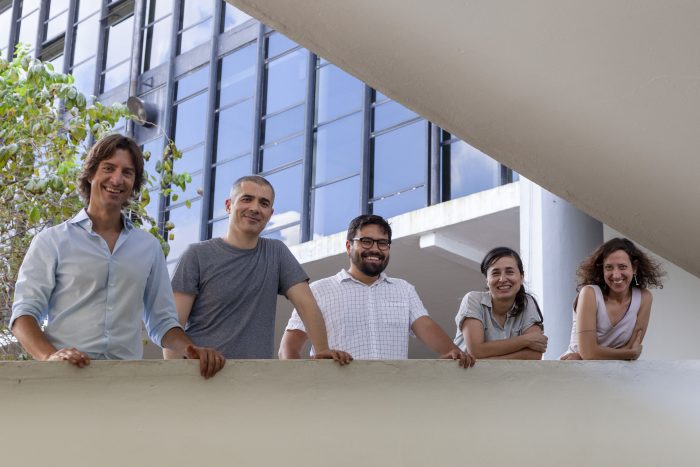
Jacopo Crivelli Visconti, Francesco Stocchi, Paulo Miyada, Ruth Estévez, e Carla Zaccagnini, equipe curatorial da 34a Bienal de São Paulo. Foto: Pedro Ivo Trasferetti/Fundação Bienal de São Paulo.
Existe a ideia de expandir a Bienal na cidade, com parcerias com outras instituições, mas também de expandir no tempo, com mostras que aconteçam ao longo do ano. Pode contar um pouco mais sobre isso? Sim, são dois vetores. Então a Bienal vai começar em março, com três exposições individuais no primeiro semestre, de artistas que também estarão na mostra coletiva posteriormente. E nós teremos também no primeiro semestre três grandes performances apresentadas em momentos pontuais. E teremos também outros eventos ao longo do ano, educativos, debates, palestras etc.
E qual a ideia por trás dessas mudanças, dessa expansão? É parte de um desejo de expansão de público? Vem de uma percepção de que a Bienal ficava muito restrita a um período curto? Eu acho que você tem toda a proposta curatorial que tem a ver com a poética das relações, a questão do ser humano ser capaz de se relacionar com alguém diferente dele. E eu acho que a formação dessa rede de instituições reforça a proposta curatorial, de criar diálogos. E a Bienal sempre foi um catalizador de atração de um público global e brasileiro que vem ver a exposição, o que faz com que todas as outras instituições culturais queiram caprichar na sua programação, fazer coisas especiais durante o período. Então por que não fazer isso em diálogo? Então vamos realmente oferecer ao grande público uma coisa muito interessante. Por exemplo, você pode ver na exposição coletiva da Bienal um artista que te interesse especialmente, e aí você tem a oportunidade de conhecer a produção dele mais profundamente em uma individual em outro museu. E aí perceber como é este artista visto individualmente ou como ele é visto em relação a outros artistas. E acho importante, para cumprir a nossa missão de promoção de arte, fazer uma coisa que tem impacto, oferecer um produto ao público que tenha interesse, que seja algo diferente. Nossa meta é transformar São Paulo em uma capital das artes plásticas, visuais, de setembro a dezembro do ano que vem. Fazer com que todo mundo que se interessa por arte sinta vontade de vir à São Paulo nesse período.
Uma das coisas que você propôs desde que assumiu tem a ver com um trabalho de criação de ferramentas voltadas à preservação da memória das artes, ampliando o papel, por exemplo do arquivo histórico da fundação, o Wanda Svevo. Poderia contar um pouco sobre isso? Sim, isso está em formulação, mas é um projeto de mais longo prazo. A ideia é dar à Bienal uma missão institucional de ser um grande centro de memória de arte. Focado como um centro de estudos, de memória. O arquivo histórico Wanda Svevo já serve a um número grande de pesquisadores, mas acho que isso pode ser muito expandido. E estamos pensando como fazer isso.
Falou-se também num fortalecimento das relações da Bienal com a vida cultural no exterior, até pelo seu bom relacionamento com tantas instituições internacionais. Concretamente, o que isso significa? A Bienal é a mais internacional das nossas instituições culturais. Ela promove este intercâmbio entre a arte global e a brasileira desde o início – inclusive, antigamente havia até representações internacionais. E eu acho que a gente tinha perdido um pouco esse contato. Então desde 2016 a gente começa, através da criação deste conselho consultivo internacional, a se reconectar ao mundo global das artes. Hoje já temos 11 membros neste conselho, gente da França, da Inglaterra, da Holanda, dos EUA, Argentina, Alemanha etc. Porque a gente quer a ajuda dessa rede para promover a Bienal, para conseguir acessar artistas que eventualmente a gente queira trazer, buscar obras importantes. Porque nós somos essa instituição global. E a nossa Bienal, embora muito tradicional e antiga, perdeu parte de sua relevância com o tempo por conta inclusive da infinidade de bienais que foram criadas ao redor do mundo. E o que a gente quer é afirmar a nossa importância, disputar o nosso espaço de luz ao sol neste mundo superpovoado de bienais.
Quando foram apresentadas as primeiras linhas do projeto curatorial, tanto o senhor quanto o curador falaram da importância de não alimentar polarizações neste momento político conturbado, de incentivar a capacidade de dialogar e conviver. Passados cerca de três meses, com os acontecimentos políticos recentes, com as políticas e declarações polêmicas do presidente, como você enxerga essa questão? Acho que só reforçou o que a gente quer enfatizar. E acho que essa não é uma questão brasileira, mas é global. Quando você olha o que está acontecendo nos EUA, na Europa – com o Brexit, ou na França, na Itália –, a gente está infelizmente em um momento de polarização, de intransigência com a ideia do outro. E o que a gente quer buscar é dizer que, apesar disso tudo, a gente tem esperança. A gente tem que ser capaz de dialogar, mesmo que não concorde com a ideia do outro. É curioso, porque a gente vê ao mesmo tempo, aqui no Brasil, dois exemplos: de um lado as declarações do presidente, mas de outro um congresso que se uniu e aprovou a reforma da Previdência, com 379 votos, unindo partidos das mais diferentes colorações. Então há uma esperança.
A aprovação da Previdência é para você um exemplo da capacidade de união? É uma capacidade de diálogo. Não é porque a ideia é do outro que ela é ruim. Temos que pensar no país, temos que ter esse diálogo.
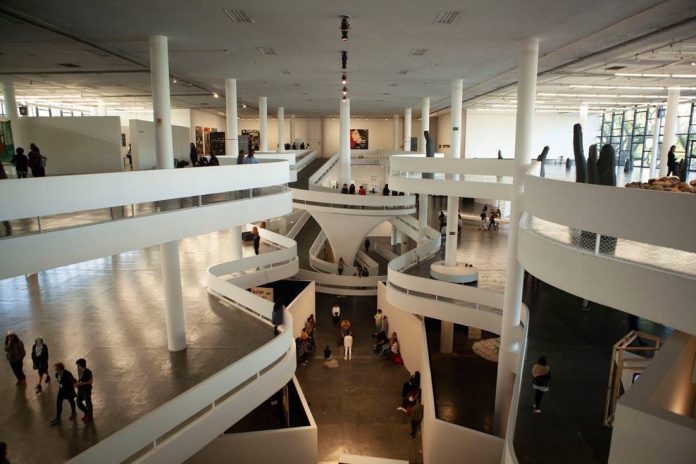
O pavilhão da Bienal, no Parque Ibirapuera. Foto: Divulgação
Agora, pensando a Bienal como este evento que trabalha com arte, experimentação e criação – um espaço muitas vezes de radicalidade –, é possível neste contexto se furtar de tomar posição, tomar lado? Tomar lado é a antítese do que estamos propondo. O que a gente está propondo é que os diferentes lados tem que ser capazes de se relacionar. E no fundo, o que a gente quer mostrar é que o lado que a gente está tomando é o lado de que o diálogo tem que acontecer. De que a polaridade não leva a lugar nenhum. Essa é a nossa posição com a proposta curatorial.
Enquanto presidente da Bienal, você lida diretamente com as áreas de cultura e educação. De modo geral, são duas áreas que parecem bastante ameaçadas pelo atual governo, seja na mudança na Rouanet, na Ancine, nas propostas de corte ao sistema S, nos cortes de verbas nas universidades…. Você não enxerga um discurso violento contra essas áreas? Não vê riscos com as novas políticas? Olha, eu acho que ninguém discute que a educação é fundamental para o desenvolvimento do nosso país. Isso para mim está claríssimo. Você pode debater a efetividade ou não dos nossos esforços na educação, mas a importância da educação é inquestionável. Não vejo ninguém questionar isso. E acho que na cultura a gente tem um defensor, que é o ministro da Cidadania Osmar Terra. Vejo pela própria maneira como ele lidou com a Lei Rouanet. Havia muito medo do que poderia ser feito e acho que a solução final proposta por ele foi uma solução ok. E acho que tanto ele quanto o secretário de Cultura Henrique Pires entendem a importância da cultura e a importância de instituições culturais como a nossa, que foram absolutamente preservadas com a mudança na Lei de Incentivo à Cultura. Então eu acho que tem muito barulho, mas ameaças concretas eu não vejo, ao menos olhando do ponto de vista de entidades culturais como a Bienal e museus. Não quero entrar na seara de produtores culturais ou cinema etc., que aí é outro campo. No campo onde eu milito e participo eu acho que a solução que foi dada está ok.
E quanto aos artistas, você não percebe um clima de apreensão? As pessoas não estão assustadas? Existe sim. Veja bem, está todo mundo assustado. Existe medo. Eu só espero que com o tempo essa poeira, essa temperatura, abaixe. Mas, sem dúvidas, a gente está vivendo um momento de fervura alta.
Vou insistir um pouco nessas questões políticas, que me parecem muito relevantes neste momento. Em entrevista recente você disse que achava que a cultura poderia ser valorizada independentemente de estar debaixo de um ministério ou de uma secretaria, que o fim do Minc não era um problema em si. Olhando agora, você acha que a cultura está sendo valorizada? Acho que tem muito ruído em torno da cultura. Não tanto nas artes plásticas, não nas instituições culturais, mas em outras áreas, como na discussão em torno da Ancine. Enfim, espero que isso seja melhor endereçado. Mas continuo com a minha visão de que a gente não necessariamente precisa de um ministério para valorizar a cultura. Você pode ter um ministério e mesmo assim a cultura ser desvalorizada, porque o ministério não tem orçamento, não tem foco – como já aconteceu –, aí não adianta. Eu só acho importante deixar o registro de que eu considero tanto o ministro Osmar Terra quanto o secretário Henrique Pires pessoas competentes, sensíveis e bem intencionadas em seus trabalhos.
Por fim, eu queria saber sua avaliação sobre a participação brasileira na 58a Bienal de Veneza, com o trabalho de Bárbara Wagner e Benjamin de Burca, e na perspectiva em relação à participação brasileira na 17a Bienal de Arquitetura, em 2020, ambas ligadas à Fundação Bienal. Acho que já na gestão anterior nós fizemos um gol com a participação da Cinthia Marcelle. Foi a primeira vez que o Brasil ganhou uma menção honrosa com o seu pavilhão, o que é uma coisa extraordinária. A escolha agora da dupla Bárbara Wagner e Benjamin de Burca, com a obra Swinguerra, também foi extremamente feliz. Eu fui à abertura e pude constatar o sucesso do pavilhão mesmo antes de toda a imprensa europeia dar o pavilhão brasileiro como um dos dez melhores. Foi um baita sucesso, impecavelmente realizado, deu orgulho da nossa sala e das soluções técnicas encontradas. Acho também que a diretriz de ter um artista só é a mais adequada, tem mais força. E agora vamos apresentar o Swinguerra na Bienal, para o público brasileiro, essa obra que é absolutamente sedutora e hipnotizante.
E sobre a Bienal de Arquitetura… Temos planos igualmente ambiciosos para a nossa representação na Bienal de Arquitetura de Veneza. Já está endereçado, mas vamos revelar em breve.
Duas exposições realizadas no primeiro semestre no J. Paul Getty Museum, em Los Angeles, atravessam mais de um século de fotografia, documentando um processo que impactou não apenas o nosso entendimento da fotografia na contemporaneidade, como também nossa ideia sobre política e cultura ocidentais. Ambas as exposições abordam, de formas distintas, a noção de reencenação na fotografia.
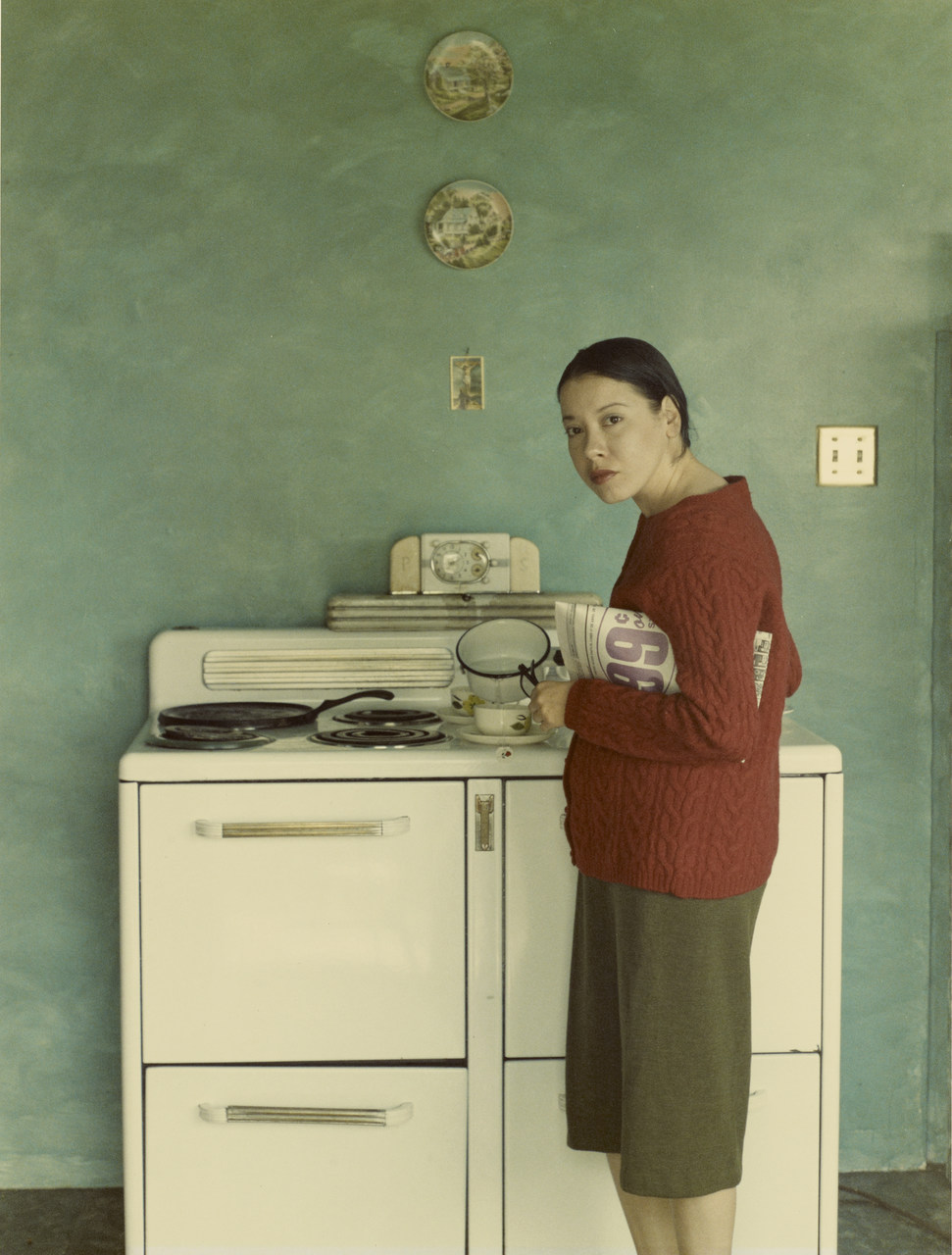
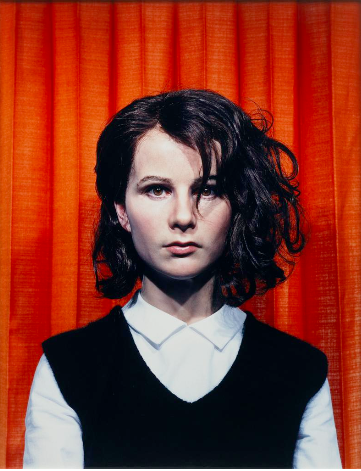
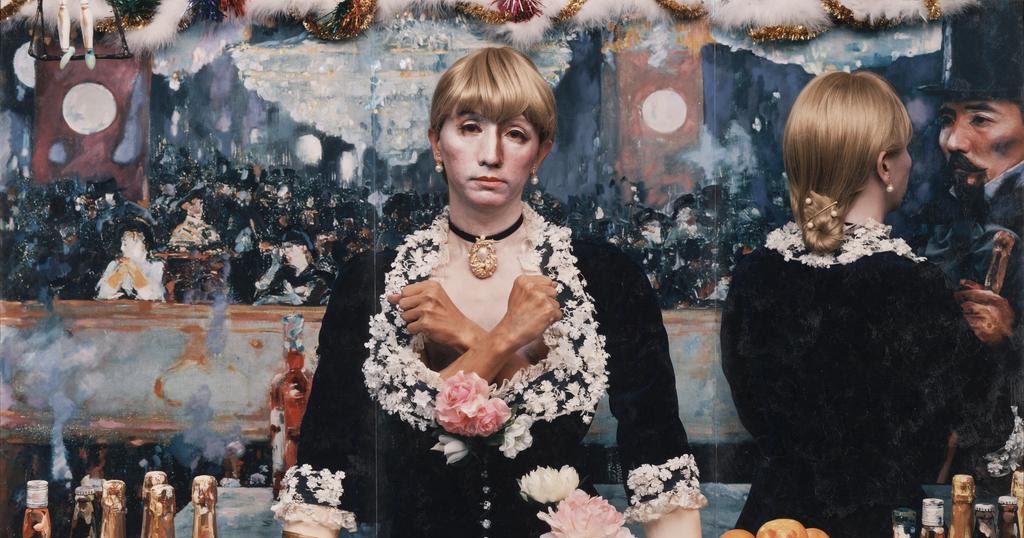
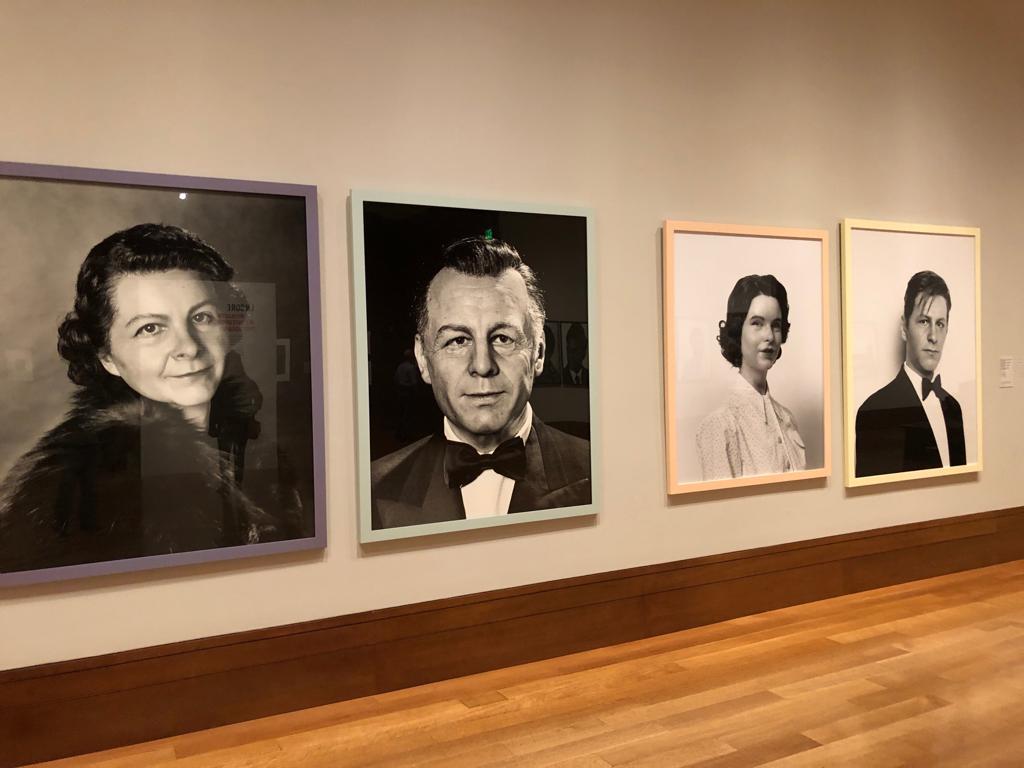
A expo “Encore Reenactment in Contemporary Photography” reunia trabalhos de sete artistas (Eileen Cowin, Cristina Fernández, Samuel Fosso, Yasumasa Morimura, Yinka Shonibare CBE, Gillian Wearing e Qiu Zhijie) que utilizam a fotografia para “reencenar” o passado e assim a partir dele destacar lacunas históricas e apontar de forma crítica para narrativas já estabelecidas no cânone da história da arte.
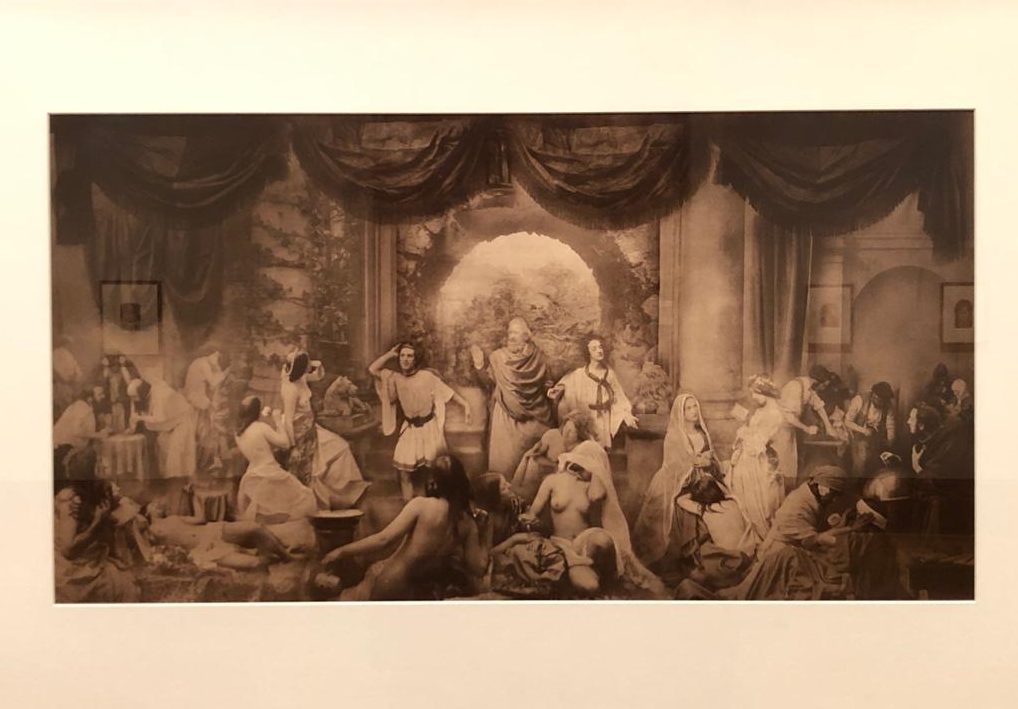
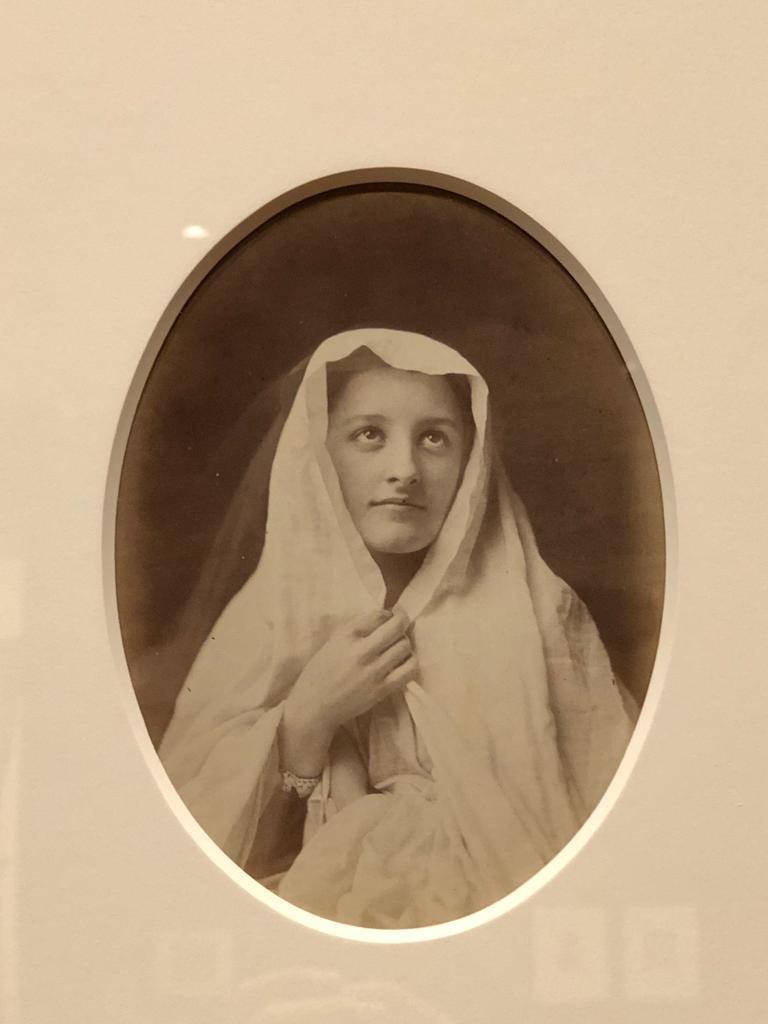
Paralelamente, na sala que antecede esse grupo contemporâneo, havia uma exposição individual de Oscar Rejlander,a primeira grande retrospectiva desse fotógrafo sueco do século XIX que também utilizava a reencenação como estratégia para a construção de seus trabalhos. Ao recriar em fotografia ícones históricos como a Virgem em Oração do pintor italiano Sassoferrato, o trabalho perde a referência temporal, dando a sensação de que todas aquelas imagens compartilham do mesmo tempo onde passado, presente e futuro habitam um único espaço, um ambiente criado pelo artista para além daquelas imagens. Essa percepção é reforçada por uma luz que parece escapar da moldura das fotografias, revelando que estamos diante de uma cena, de um teatro metafórico e real. Mas a que tipo de teatro essas imagens se referem afinal?
Já na exposição de artistas contemporâneos, os trabalhos mostram abordagens distintas ao explorar narrativas históricas da arte, enquanto outros reinterpretam histórias mais pessoais. De todo modo, todos eles usam a reencenação como estratégia na construção daquelas imagens trazendo à vida textos, relatos e registros visuais que traduzem a formação histórica de cada um. Por meio de esforços obsessivos para garantir fidelidade em relação às narrativas originais, os artistas “reencenadores” se tornam especialistas nos assuntos que investigam e podem transmitir um conhecimento íntimo sobre eles. Por meio dessa pesquisa todos eles acessam um museu imaginário, pois trabalham à luz de imagens reconhecíveis no âmbito da história da arte.
A repetição está diretamente ligada ao processo de aprendizado humano, nosso desenvolvimento intelectual se dá muito por meio da imitação. No campo da arte, podemos citar os ateliês em que, desde a antiguidade clássica, havia um mestre para ensinar seus discípulos por meio da cópia dos modelos e padrões estéticos vigentes, em um ambiente em que a autoria tinha um caráter mais coletivo.
Essas exposições me fizeram olhar para dentro do jogo do cenário artístico brasileiro e todas as suas categorias que se criam para certos grupos hoje. Como um artista em constante deslocamento, penso toda essa produção mostrada no Getty a partir de minha própria origem, latino-americana, e formação.
O que todos esses artistas têm em comum é a ideia de um narrador/intérprete: eles próprios desempenhando um papel fictício que esbarra na técnica do tableaux vivant muito utilizada no século XVIII para a produção de imagens, em sua maioria, para pinturas históricas. Isso também fala sobre uma atuação no campo da performance e do próprio teatro. Nessas imagens, todos sujeitos estão atuando como verdadeiros atores. Quando artistas reencenam “obras de arte” mais antigas, muitas vezes agregam um novo significado aos temas originais. A nova imagem se torna ainda mais complexa, somando-se a ela as características da original e seu objetivo é, muitas vezes, criticar narrativas convencionais e destacar histórias sub-representadas.
Apesar da proximidade entre diversos trabalhos ali apresentados, existe uma questão que parece importar muito mais a nós, latino-americanos, do que a esses artistas: a busca pelo ineditismo. Nossa formação acaba sendo anestesiada por tantas imagens desse mundo hegemônico e por isso essa busca incansável por uma independência através do “novo”. Mas a ideia de ineditismo é, na verdade, uma ilusão. Segundo o crítico Roland Barthes, em A morte do autor, tudo o que se produz vem de inúmeras colaborações, diluindo, desta forma, a ideia de autoria.
Dessas fotografias “encenadas” surge mais uma pergunta: o que seria de fato a identidade de um artista nos dias de hoje? Até que ponto podemos ou devemos usar apenas mecanismos próprios individuais para olhar o mundo e fazer “arte”? A ideia da reencenação é também uma quebra na construção da narrativa histórica linear, e dessa forma, ela poderia apontar para modos plurais de construção de outras perspectivas sobre a história. Em que medida somos formados artisticamente por toda essa visualidade que nos atravessa o tempo todo a partir de uma narrativa hegemônica?
1 de 3
Oscar Rejlander, Two ways of life, 1857.
Oscar Rejlander, Madonna (Mary Rejlander?), after Sassoferrato, cerca de 1860.
Vista da exposição de Oscar Rejlander.
Fotografia e aura
Mesmo em grandes mostras como essas, as fotografias ainda parecem ser menos consideradas do que a pintura. No Getty e em quase todos os museus elas são sempre apresentadas no subsolo, “protegidas da luz”. Mas seria esse o real motivo? Ou sua natureza facilmente reprodutível é considerada menor? A aura está relacionada à autenticidade, a existência única de uma obra de arte. Portanto, teoricamente, ela não existe em uma reprodução. Mas considerando que a fotografia capta um momento que não pode mais ser alcançado para além daquele “clique”, a fotografia é, segundo filósofo Walter Benjamin, a última instância da aura em torno de uma imagem.
Avançando para o presente, na era do Instagram, quando esse “momento decisivo” é determinado por um processo totalmente diferente e a mudança para a fotografia digital tornou o papel bastante obsoleto, as reproduções caminharam para uma democratização da cultura, onde a imagem reproduzida pode ser acessada e produzida por qualquer pessoa, reforçando esse mecanismo. A mesma imagem que está no museu está também no site do museu, na revista, no jornal, está solta na internet. Isso nos ajuda a entender como uma única imagem pode capturar e imortalizar um momento decisivo criando um ícone instantâneo. Esses ícones parecem compor um storytelling; são imagens que sequencialmente formam uma narrativa quase linear. As imagens produzidas hoje são inseparáveis da história pois elas continuam a contar uma história seja ela qual for e podem funcionar como índices que contribuem para o sentido de uma narrativa.
Aquele conjunto de fotos é muito mais do que uma exposição, é um ambiente que nos coloca imediatamente num outro tempo, talvez no tempo da arte, aquela cheia de aura, na contramão desse mundo acelerado inundado por imagens onde tudo se dilui.
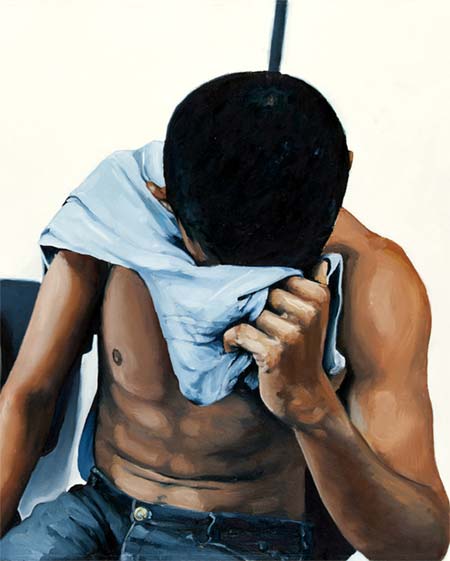
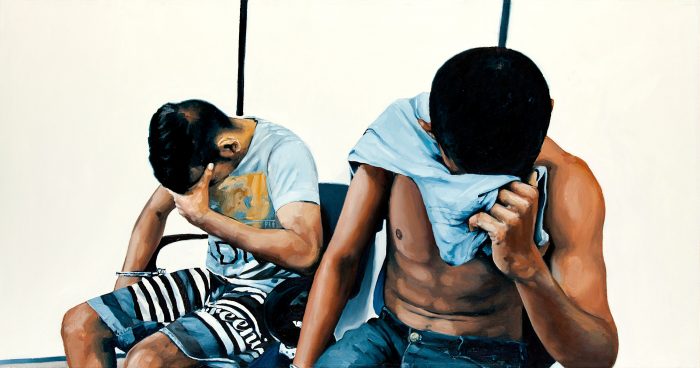
Obra de Éder Oliveira da série “Cenas Singulares”. Foto: Octavio Cardoso
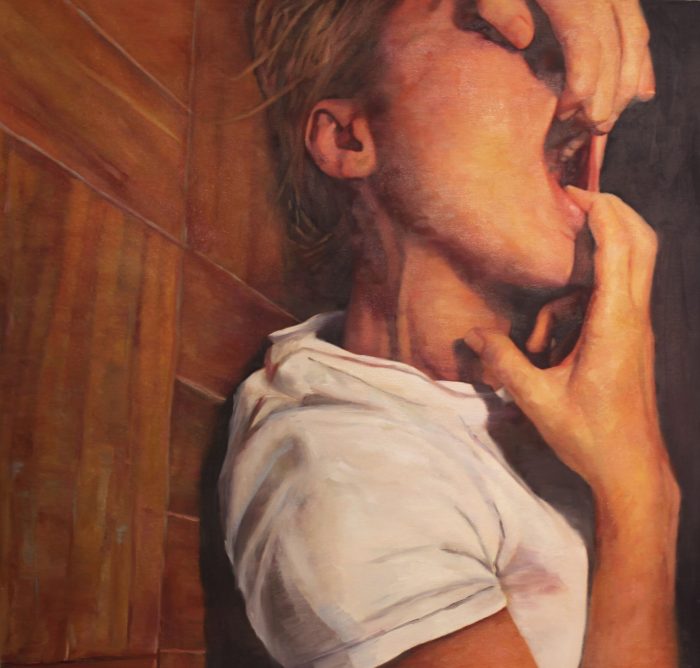
Na oitava edição do programa Arte Atual – série de exposições inéditas realizadas pelo Instituto Tomie Ohtake – os artistas Éder Oliveira, Regina Parra e Virgínia de Medeiros apresentam Jamais me Olharás lá deOnde te Vejo, uma mostra com “reflexões acerca do retrato como gênero pictórico e como forma de reconhecer e atribuir uma identidade ao retratado”.
Segundo texto dos curadores Diego Mauro, Luana Fortes, Priscyla Gomes e Theo Monteiro, “é possível, por intermédio dos trabalhos, discutir parâmetros de como os artistas constroem os limites entre o ‘eu’ e o ‘outro’, e delimitam relações de afinidade e de distinção. Mais do que isso, os trabalhos presentes explicitam como os artistas convidados se valem da figura humana como uma de suas ferramentas para abordar a violência que imputamos ou a que são imputados nossos corpos, os limites e rastros do tempo e a noção do corpo como um lugar de resistência”.
Enquanto o paraense Éder Oliveira é reconhecido pela pintura de retratos coloridos, em diferentes escalas e suportes variados, que têm como objeto principal o homem amazônico – problematizando também a violência na região –, a paulistana Regina Parra trabalha com pintura, fotografia e vídeo abordando questões como novas hierarquias de poder, limites, controle e mudanças de limites culturais. Segundo texto da mostra, ela “traz no retrato um processo de desconstrução mitológica sobre si”, sem que com isso produza autorretratos.
1 de 2
Frame da videoinstalação "Clamor", de Virginia de Medeiros. Foto: Divulgação
“Não Eu”, de Regina Parra. Foto: Divulgação,
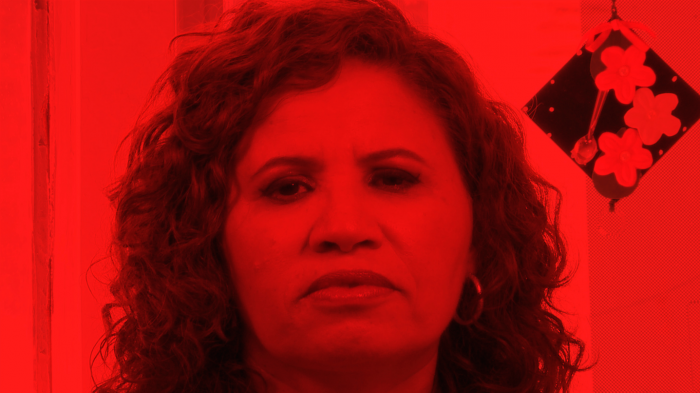
Virginia de Medeiros, por sua vez, baiana de Feira de Santana que vive em São Paulo, propõe na exposição uma nova montagem para sua série Alma de Bronze (2016-2018), realizada a partir de sua convivência com lideranças femininas da Frente de Luta por Moradia (FLM) do Movimento Sem Teto do Centro (MSTC), iniciada com sua participação no Programa de Residência Artística Cambridge e posteriormente transmutada para a Ocupação 9 de Julho. A nova montagem, de caráter instalativo, traz retratos em vídeo de doze importantes líderes femininas da ocupação.
O programa Arte Atual, segundo o Instituto Tomie Ohtake, desde 2013 busca alimentar pesquisas artísticas experimentais, para criar possibilidades de aprimorar e enriquecer a pesquisa de cada participante. Para isso conta com a parceria de galerias para a produção das obras, desenvolvidas por meio de diálogos entre a equipe curatorial do Instituto Tomie Ohtake e os artistas convidados. Nesta oitava edição, as galerias Millan, Nara Roesler e Periscópio tornaram possível sua realização.
Jamais me Olharás lá de Onde te Vejo Instituto Tomie Ohtake – Av. Faria Lima 201
De 07 de agosto até 29 de setembro de 2019
Entrada gratuita
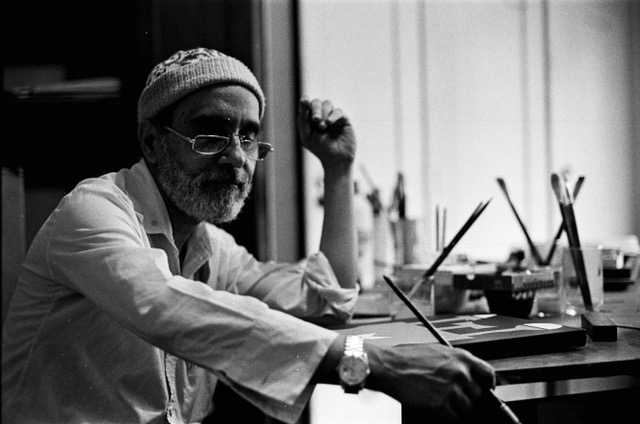
Foi entre os idos dos anos 70 e 80 que o célebre ator Sérgio Mamberti, conhecido por seus personagens no cinema, na TV e no teatro, passou a levar material para recortar a produzir colagens nos camarins antes de apresentações teatrais que realizava. Um dia, ele mesmo conta à ARTE!Brasileiros, o cenógrafo e arquiteto Flávio Império observou-o em um desses momentos e insistiu que ele deveria levar isso adiante.
Mamberti realiza agora, a partir do dia 5 de agosto, uma individual que reúne 30 suas obras na Galeria São Paulo Flutuante, famoso estabelecimento paulistano que havia pausado suas atividades há mais de 15 anos e que anunciou seu retorno no final do ano passado. Além dos trabalhos de Sérgio, são expostas em Comandante Mamberti fotografias do artista ao longo de sua vida, com 80 anos de idade e 63 de carreira.
“É uma atividade que eu prezo bastante. O artista sempre tem uma multiplicidade de meios para se expressar e certamente é uma das formas que eu encontrei para me expressar”, ele afirma. Em paralelo à exposição, Sérgio realiza a peça Visitando o Sr. Green, no Teatro Renaissance, em São Paulo, ao lado do ator Ricardo Gelli.
1 de 2
Colagem sem título de Sérgio Mamberti
Colagem sem título de Sérgio Mamberti
Para ele, as colagens também tem relação com a forma que constrói seus personagens nas artes cênicas, considerando a “justaposição de imagens, que de uma certa maneira constitui o personagem que estou interpretando. Foi a partir disso que me animei a continuar e a desenvolver ainda mais este trabalho com as colagens”.
A primeira exposição da qual participou foi organizada por seu grande incentivador, Império. Os alegres pintores do Bexiga aconteceu no Teatro Igrejinha, em 1977, e homenageava o popular bairro paulistano. Após isso, Mamberti fez muitas exposições fora do circuito de galerias de São Paulo, como em bares e cafés. O intuito, ele conta, era fazer com que as obras chegassem a lugares que pessoas costumavam frequentar.
Durante os anos de governo Lula e no início do primeiro mandato de Dilma Roussef, o artista foi atuante no Ministério da Cultura, ocupando ao longo dos anos cargos como Secretário de Música e Artes Cênicas, Secretário da Identidade e da Diversidade Cultural, Secretário de Políticas Culturais e Presidente da Fundação Nacional de Artes (FUNARTE). Durante este período, ele conta, a produção nas artes visuais foi interrompida por certo momento, para que pudesse se dedicar com mais ênfase às atividades de gestão cultural. Para fazer colagem deve-se ter um tempo que se possa doar somente àquilo, ele diz, mas confessa que hoje quando não encontra tempo para realizar os trabalhos acaba fazendo pequenas colagens nas páginas de sua agenda pessoal: “É uma forma que tenho de me relacionar com esse universo de imagens dentro da minha vida diária”.
O teatro e a política são os temas mais recorrentes nas colagens de Mamberti, mostrando que realmente é a atividade do universo do artista, apesar de ser uma faceta desconhecida por muitos. A ideia do desconhecido foi um dos elementos que chamou a atenção da galerista Regina Boni, surgindo assim o convite para a exposição. Comandante Mamberti fica em cartaz até 31 de agosto e a abertura tem início às 19h do próximo dia 5.
Sérgio Mamberti: Comandante Mamberti De 5 a 31 de agosto
Galeria São Paulo Flutuante: R. Estados Unidos, 2186
(11) 3064-7019
Instituição recém-criada para divulgar e proteger a obra do artista baiano, o Instituto Rubem Valentim acaba de doar para o MASP um arquivo de mais de 10 mil itens de Valentim (1922-1991), entre manuscritos, datiloscritos, cartas, fotos e desenhos – a maioria peças raras ou inéditas. O material ficará armazenado no Centro de Pesquisas do museu paulistano, que realizou entre 2018 e 2019 a mostra Rubem Valentim: Construções Afro-atlânticas.
O artista, que criou uma linguagem bastante pessoal misturando traços da arte construtiva com um universo simbólico ligado ao candomblé, à umbanda e à cultura afro-brasileira, buscava, segundo suas próprias palavras, “uma linguagem universal, mas de caráter brasileiro”, sem se filiar a nenhum dos movimentos ou correntes artísticas estrangeiras ou nacionais. Leia aqui matéria que foi capa da edição 45 da ARTE!Brasileiros.
Segundo Fernando Oliva, curador da exposição no MASP, a doação concretiza um antigo sonho do artista: reunir a maior parte de seus documentos e arquivos pessoais em um mesmo local, disponível para o acesso de pesquisadores do Brasil e do mundo. “O material pode jogar nova luz sobre a obra do artista e sua relação com a arte afro-brasileira e africana”, diz o curador em nota divulgada pelo museu.
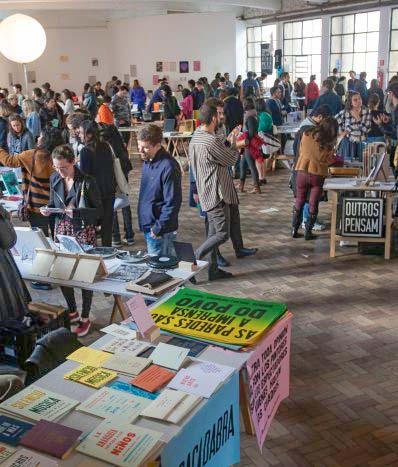
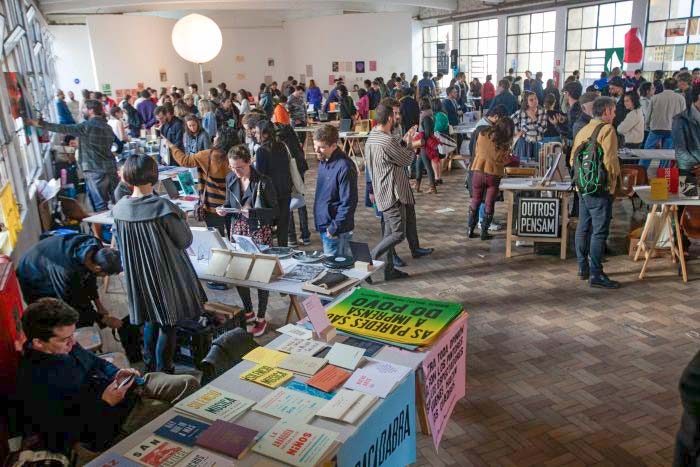
Primeira feira de publicações e livros de artista organizada no Brasil, a Tijuana comemora 10 anos de existência neste fim de semana (dias 3 e 4 de agosto) com a realização de sua 23ª edição. Organizada em parceria pelo Ministério da Cidadania, Casa do Povo, Edições Tijuana e Galeria Vermelho, a Tijuana se especializou, a partir de 2009, em conectar editoras da América Latina. Com o tempo a feira se tornou itinerante, com edições em São Paulo, Rio de Janeiro, Lima, Buenos Aires e Porto.
Atualmente, o evento trabalha com uma rede de editoras que abrange a produção de países como Argentina, Bolívia, Brasil, Chile, Colômbia, Equador, México, Peru, Uruguai e Venezuela, entre outros. Nesta edição, com o intuito de ir além dos limites da arte impressa, a Feira Tijuana tem uma programação curada pela pesquisadora Beatriz Lemos e o artista Fabio Morais, incluindo encontros e performances que incluem linguagens como o slam, inserções sonoras e outras.
A feira será realizada mais uma vez na Casa do Povo, no bairro paulistano do Bom Retiro (leia aqui matéria sobre a Casa), com mais de 100 editoras participantes. Na programação de debates serão tratados temas como relações raciais contemporâneas e africanidades no Brasil, causas indígenas e autonomismo político. Clique aquie veja a programação completa.
23ª Feira Tijuana Casa do Povo – Rua Três Rios, 252 – Bom Retiro
Dias 3 e 4 de agosto de 2019
Entrada gratuita
Rodrigo Garcia Dutra, A Linguagem da Serpente, 2019.
A partir do dia 27 de julho, o público poderá conferir uma sólida programação na Galeria Karla Osório, em Brasília. Serão três exposições individuais abertas simultaneamente a partir das 17h. As mostras de Rodrigo Garcia Dutra, Gustavo Silvaamaral e Bruno Duque ocuparão os ambientes internos da galeria, nos pavilhões I e II, e também a parte externa, nos muros e no pátio. O espaço tem 5 mil metros quadrados e está localizado no Lago Sul.
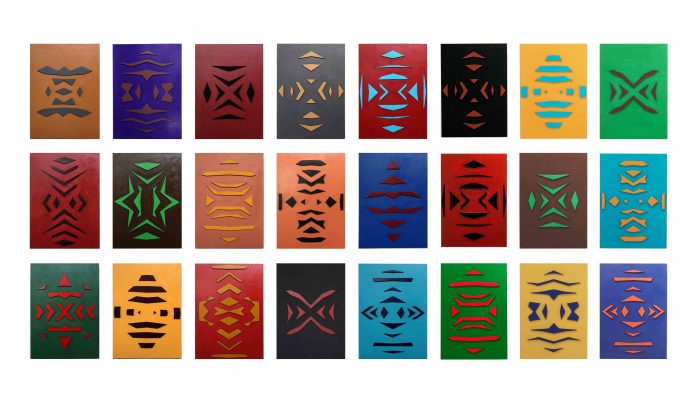
Em A Linguagem da Serpente, na galeria 4 do pavilhão II, Rodrigo Garcia Dutra apresenta uma série de códigos criados a partir de recortes em dobraduras de papel. Intuitivamente, os códigos criam uma suposta linguagem abstrata e geométrica. O resultado é uma enigmática forma de comunicação entre espécies humanas e não-humanas. Estes recortes foram transformados em desenhos cortados a laser em placas de madeira e pintados com tinta acrílica.
Já Bruno Duque leva à Karla Osório a mostra Expedições, situada nas galerias 1, 2 e 3 do pavilhão I, que dialoga com as mais tradicionais formas representações. A exposição apresenta três séries – Matas, Alter e Ebó – que têm em comum a referência fotográfica e se relacionam mais por contraste do que por contiguidade. Os animais de “Alter” seguem isolados das paisagens de “Matas” e ambos se mantenham livres de seres humanos. Em “Ebó” não é a cultura e o simbolismo que são exaltados, mas a própria vida que os orixás evocam.
Por fim, Gustavo Silvamaral propõe a intervenção Três quadrados amarelos na parte externa da galeria. O trabalho é composto de três painéis, em muros distintos, apresentando diversos elementos da pesquisa do artista que vem se desdobrando em uma série de ações, objetos, instalações, desenhos e pinturas. Todas as exposições podem ser conferidas até 7 de setembro.
Gustavo Silvamaral: Três quadrados amarelos + Bruno Duque: Expedições + Rodrigo Garcia Dutra: A Linguagem da Serpente Galeria Karla Osório: St. de Mansões Dom Bosco CJ 31 – Lago Sul, Brasilia
De 27 de julho até 7 de setembro
Mais informações: (61) 3367-6303
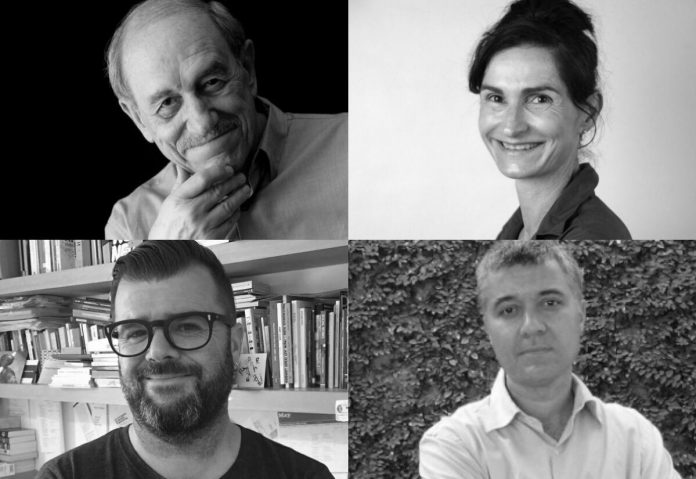
Acima, Néstor García Canclini e Nathalie Moureau; abaixo, Paul O'Neill e Moacir dos Anjos. Foto: Divulgação.
Com a participação de Moacir dos Anjos (Pesquisador da Fundação Joaquim Nabuco, Recide/PE), Maria Lucia Bueno Ramos (docente permanente do PPGCSO, da UFJF), Mônica Hoff (artista, curadora e pesquisadora), Nathalie Moureau (professora de economia e pesquisadora no laboratório ART-Dev), Néstor García Canclini (doutor em Filosofia pelas universidades de Paris e de La Plata), e Paul O’Neill (curador, artista, escritor e educador irlandês), o 2º Simpósio Internacional de Relações Sistêmicas da Arte acontece entre os dias 29 e 31 de julho no Centro de Pesquisa e Formação (CPF) Sesc São Paulo.
Segundo o texto de apresentação, o evento – que tem inscrições esgotadas – discute as transformações pelas quais as artes visuais passam, abrigando abordagens da ampla gama de relações que permeiam o fazer artístico, sua legitimação, visibilidade, circulação e acesso.
O texto explica, ainda, que “os debates se debruçarão sobre a construção social dos valores estéticos na contemporaneidade, discutindo como falar em História da Arte e Estética ao lidar com objetos e eventos que fogem aos valores originalmente instituídos por tais disciplinas; as revisões dos valores da estética clássica; as estratégias e discursos que vem sendo institucionalizados e incorporados ao sistema da arte; a reverberação do mercado de arte na legitimação de práticas artísticas emergentes; as formas de reorganização das práticas artísticas, da crítica de arte e das instituições para dar conta das mudanças que ocorrem num mundo global e desigual”.
O simpósio é uma parceria entre o Programa de Pós-Graduação em Artes Visuais da Universidade Federal do Rio Grande do Sul (PPGAV-UFRGS), o Instituto de Estudos Brasileiros da Universidade de São Paulo (IEB-USP) e o Centro de Pesquisa e Formação do Sesc São Paulo (CPF Sesc).
O que diria Walter Benjamin se reaparecesse por aqui? Como reagiria frente à arte e sua reprodutibilidade depois, sobretudo, da internet e dos smartphones? Reveria sua crença na perda da aura da obra de arte diante da suposta desartização das obras produzidas com os meios tecnológicos? E quanto ao valor de culto da arte tradicional, Benjamin confirmaria que ele foi, de fato, suplantado pelo valor de exibição?
Entusiasta da propagação da arte pelos meios de reprodução, Benjamin via a fotografia e o cinema como fundamentais para a democratização da obra de arte. Reproduzida ou produzida por esses meios, ela seria finalmente despojada do prestígio ligado à sua suposta origem religiosa, possibilitando, assim, uma outra relação com o homem comum. Nesta nova situação, todos passariam a ser vistos não mais apenas como receptores, mas também como produtores possíveis.
Passadas décadas da publicação do ensaio de Benjamin, “A obra de arte na era de sua reprodutibilidade técnica”, filas e filas se formam para ver de perto a Mona Lisa, de da Vinci, no Louvre (cuja imagem foi e é reproduzida inúmeras vezes) – para ficarmos apenas com um único exemplo ligado às artes visuais. Hoje filmes os mais diversos são “cult”. “Cult” é também o título de uma revista dedicada ao culto da cultura e de uma plataforma do Telecine on demand; “cult” é a cantora trans, como também “aquela” fotografia “daquele” fotógrafo.
Segundo Benjamin, a obra de arte tradicional trazia com ela o valor de culto por causa da aura que dela emanava: ela era única, preciosa mas, na medida em que perdeu essas qualidades, devido aos processos de reprodução, passou a ser igual a todos os tipos de objetos, restando-lhe apenas o seu valor de exibição, ou seja, sua capacidade de estar em todos os lugares.
Qualquer fotografia, portanto, teria como base o seu valor de exibição suplantando qualquer possibilidade de possuir ou vir a possuir algum valor de culto. Afinal em sua própria condição de existência, reina sua capacidade de se reproduzir indefinidamente, certo? Não, errado. Não há dúvidas de que as câmeras digitais acopladas a celulares estão levando a proliferação da fotografia a patamares até então impensáveis. Entretanto, ao mesmo tempo em que os smartphones transformam seus proprietários em produtores compulsivos de fotografias que se espalham e se exibem rapidamente por todo o globo, existem fotografias que têm seu valor intrínseco de exibição restringido, sendo a ele sobreposto o antigo valor de culto.
Existe no mundo um conjunto de fotografias cujo valor de culto é criado por terem como característica o fato de serem vintage (foram reproduzidas na época de sua captação pelos próprios autores, elevados agora à condição de artistas e não de “meros” fotógrafos), ou por fazerem parte de uma produção post mortem, porém com um número limitado de exemplares. São essas relíquias sobreviventes de um tempo heroico qualquer – construído pela história e/ou pelo mercado –, que nos fazem peregrinar por museus e galerias a prestar-lhes homenagens, que fazem com que nos desloquemos para esses templos a fim de compartilharmos com poucos o nosso deleite frente àqueles fetiches quase únicos, praticamente únicos.
Os advérbios “quase” e “praticamente”, neste contexto, alertam para um fato na prática inquestionável: postar-se diante de uma fotografia produzida, por exemplo, em 1939, e que teve apenas alguns exemplares produzidos por aquele ou aquela que captou a imagem, é como estar frente a uma pintura. E isso porque, hoje em dia, um exemplar de, por exemplo, seis reproduções idênticas produzidas há 80 anos – num mundo saturado de imagens –, é capaz de fazer emanar uma autenticidade, uma aura de mistério e revelação (não é isso o que os objetos votivos provocam em quem os olha?), que nos embriaga de puro deleite, como se ele fosse único.
Se fitar essas imagens raras é um deleite, possuí-las, então, é um sonho de poder e gozo. E, por mais cara que possa ser uma fotografia vintage, ou de restrita edição, quase sempre ela é mais acessível do que “aquela” pintura ou “aquela” escultura que sobretudo o colecionador médio nunca irá possuir.
***
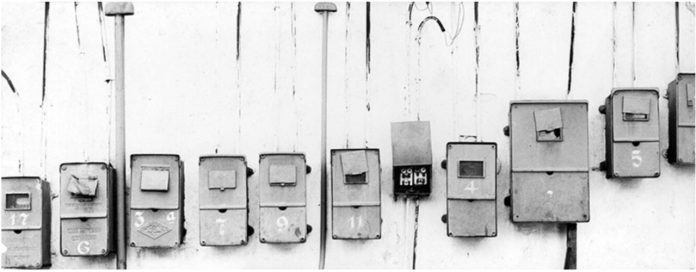
Essas questões surgiram a partir da visita à “Fotografia Moderna 1940-1960”, em cartaz na Luciana Brito Galeria, em São Paulo. A mostra possui uma particularidade: apresenta obras de alguns dos fotógrafos brasileiros modernos mais prestigiados no espaço que antes foi uma residência projetada pelo arquiteto modernista Rino Levi. Difícil melhor container para abrigar alguns vintages de Geraldo de Barros, Thomas Farkas e outros, além de obras de uma única fotógrafa, Gertrudes Altschul. O espaço concebido por Levi traz solenidade às obras, dado que renova/amplia a aura que delas emana (embora a própria aura da casa também não deixe de impregná-las).
Se a exposição se inicia com alguma tibieza, com algumas obras de Paulo Pires, dentro da cartilha do que deveria ser uma fotografia em “estilo moderno”, logo na sequência ela passa a apresentar a dimensão experimental alcançada pela fotografia do período. Se na mostra se destacam os sempre estimulantes Geraldo de Barros e Thomaz Farkas, a grata surpresa foram as fotos de Marcel Giró, um modernista cuja produção mereceria ser mais divulgada.
Se os fotógrafos presentes na mostra, cada um à sua maneira, acreditavam que a fotografia poderia ser encarada e produzida como arte ou, mais como uma das “belas artes” (em alguns casos), não resta dúvida de que conseguiram provar que tais disposições eram possíveis, quer pela obediência às normas foto-clubistas então imperantes, quer pelo rompimento das mesmas. Hoje, devidamente emolduradas e dispostas em um ambiente que as reflete e endossa, reiteram a aparente falência dos constructos teóricos de Walter Benjamin, aqui comentados, em parte solapados pelos próprios fotógrafos, pelo mercado de arte e pelo colecionismo que conseguiram transformar aquelas peças em “quase” originais – objetos de deleite e de culto.
Tanto para aqueles que não se importam com tais questões, quanto para os que as consideram fundamentais para pensar sobre o estatuto da fotografia nos dias de hoje, “Fotografia Moderna – 1940-1960” é uma exposição obrigatória.